%20%20--%3E%0A%3Csvg%20version%3D%221.1%22%20xmlns%3D%22http%3A%2F%2Fwww.w3.org%2F2000%2Fsvg%22%20xmlns%3Axlink%3D%22http%3A%2F%2Fwww.w3.org%2F1999%2Fxlink%22%20x%3D%220px%22%20y%3D%220px%22%0A%09%20viewBox%3D%220%200%20827.4%20200%22%20style%3D%22enable-background%3Anew%200%200%20827.4%20200%3B%22%20xml%3Aspace%3D%22preserve%22%3E%0A%3Cstyle%20type%3D%22text%2Fcss%22%3E%0A%09.st0%7Bfill%3A%23231F20%3B%7D%0A%09.st1%7Bfill%3A%230C2C56%3B%7D%0A%09.st2%7Bfill%3A%234D4D4D%3B%7D%0A%09.st3%7Bfill%3A%23FFFFFF%3B%7D%0A%09.st4%7Bfill%3A%230F9AA3%3B%7D%0A%09.st5%7Bfill%3A%23001C43%3B%7D%0A%3C%2Fstyle%3E%0A%3Cg%20id%3D%22Template%22%3E%0A%3C%2Fg%3E%0A%3Cg%20id%3D%22Layer_2%22%3E%0A%09%3Cpath%20class%3D%22st3%22%20d%3D%22M70.4%2C94.8C63.3%2C90%2C55%2C87%2C45.3%2C85.7c-7.7-1-11.8-3.1-13.1-4.7c-0.6-0.7-1.6-1.9%2C0.3-5.3%0A%09%09c1.9-3.2%2C7.7-3.9%2C12.2-3.9c5.1%2C0%2C8.9%2C1.2%2C12.6%2C3.8c4.3%2C3.1%2C9.5%2C2.9%2C13-0.7l5.1-5.1c2.1-2.1%2C3.2-4.9%2C3.1-7.7%0A%09%09c-0.1-2.8-1.4-5.3-3.7-7.2c-3.6-2.8-6.9-4.8-10.6-6.4c-5.9-2.5-13.8-3.7-23.5-3.7c-9.1%2C0-17.9%2C3-26.2%2C8.9%0A%09%09c-8.7%2C6.3-13.2%2C14.7-13.2%2C25c0%2C11.6%2C4.1%2C19.8%2C12.1%2C24.7c7.2%2C4.3%2C15.3%2C7%2C24%2C8c9.6%2C0.9%2C12.9%2C3.3%2C14%2C5.2c1.5%2C2.6%2C1.5%2C4.9%2C0%2C7.5%0A%09%09c-1.6%2C2.7-6.5%2C4.1-13.3%2C3.8c-6.9-0.3-12.3-2-16.9-5.3c-4.3-3.1-9.5-2.8-12.9%2C0.7l-5.2%2C5.1c-2.2%2C2.2-3.3%2C5-3.1%2C7.9%0A%09%09c0.2%2C2.8%2C1.6%2C5.4%2C4%2C7.2c3.7%2C2.9%2C7.4%2C5%2C12%2C7c6.8%2C2.9%2C15.3%2C4.4%2C25.4%2C4.4c10.8%2C0%2C20.4-3.3%2C28.6-9.8c8.5-6.6%2C12.8-14.7%2C12.8-24.1%0A%09%09C82.7%2C109.1%2C78.5%2C100.3%2C70.4%2C94.8z%22%2F%3E%0A%09%3Cpath%20class%3D%22st3%22%20d%3D%22M142.6%2C44.8c-15.6%2C0-28.8%2C5.3-39.2%2C15.8C92.9%2C71.1%2C87.6%2C84.3%2C87.6%2C99.9c0%2C15.5%2C5.3%2C28.7%2C15.8%2C39.2%0A%09%09c10.5%2C10.5%2C23.7%2C15.8%2C39.2%2C15.8s28.8-5.3%2C39.2-15.8c10.5-10.5%2C15.8-23.7%2C15.8-39.2c0-15.6-5.3-28.8-15.8-39.2%0A%09%09C171.4%2C50.1%2C158.2%2C44.8%2C142.6%2C44.8z%20M161.9%2C120c-5%2C5.3-11.2%2C7.9-19.2%2C7.9c-8%2C0-14.3-2.6-19.3-7.9c-5-5.4-7.4-12-7.4-20.1%0A%09%09c0-8.1%2C2.4-14.7%2C7.4-20.1c5-5.3%2C11.2-7.9%2C19.2-7.9c8%2C0%2C14.3%2C2.6%2C19.3%2C7.9c5%2C5.4%2C7.4%2C12%2C7.4%2C20.1C169.2%2C108%2C166.8%2C114.6%2C161.9%2C120z%22%0A%09%09%2F%3E%0A%09%3Cpath%20class%3D%22st3%22%20d%3D%22M248.3%2C44.8H215c-5.7%2C0-10%2C4.3-10%2C10v90.2c0%2C5.7%2C4.3%2C10%2C10%2C10h33.3c33.8%2C0%2C51.6-19%2C51.6-55%0A%09%09C299.9%2C63.8%2C282.1%2C44.8%2C248.3%2C44.8z%20M248.3%2C126.5h-14.9V73.3h14.9c15.9%2C0%2C23.2%2C8.5%2C23.2%2C26.6C271.5%2C118.1%2C264.1%2C126.5%2C248.3%2C126.5z%0A%09%09%22%2F%3E%0A%09%3Cpath%20class%3D%22st3%22%20d%3D%22M362.3%2C44.8c-15.6%2C0-28.8%2C5.3-39.2%2C15.8c-10.5%2C10.5-15.8%2C23.7-15.8%2C39.2c0%2C15.5%2C5.3%2C28.7%2C15.8%2C39.2%0A%09%09c10.5%2C10.5%2C23.7%2C15.8%2C39.2%2C15.8c15.6%2C0%2C28.8-5.3%2C39.2-15.8c10.5-10.5%2C15.8-23.7%2C15.8-39.2c0-15.6-5.3-28.8-15.8-39.2%0A%09%09C391.1%2C50.1%2C377.9%2C44.8%2C362.3%2C44.8z%20M381.5%2C120c-5%2C5.3-11.2%2C7.9-19.2%2C7.9c-8%2C0-14.3-2.6-19.3-7.9c-5-5.4-7.4-12-7.4-20.1%0A%09%09c0-8.1%2C2.4-14.7%2C7.4-20.1c5-5.3%2C11.2-7.9%2C19.2-7.9c8%2C0%2C14.3%2C2.6%2C19.3%2C7.9c5%2C5.4%2C7.4%2C12%2C7.4%2C20.1C388.9%2C108%2C386.5%2C114.6%2C381.5%2C120z%22%0A%09%09%2F%3E%0A%09%3Cpath%20class%3D%22st4%22%20d%3D%22M548.3%2C44.8c-2.6%2C0-4.9%2C1.1-6.7%2C3l-39.8%2C45.3L462%2C47.8c-1.7-1.9-4.1-3-6.7-3h-1.3c-4.2%2C0-7.3%2C4.2-7.3%2C10v90.1%0A%09%09c0%2C5.7%2C4.3%2C10%2C10%2C10h8.5c5.7%2C0%2C10-4.3%2C10-10v-42.8l19%2C21.2c2%2C2.2%2C4.7%2C3.5%2C7.6%2C3.5s5.6-1.2%2C7.6-3.5l19-21.2l0.1%2C42.9%0A%09%09c0%2C5.7%2C4.3%2C10%2C10%2C10h8.5c5.7%2C0%2C10-4.3%2C10-10V54.8C556.9%2C49.1%2C553.2%2C44.8%2C548.3%2C44.8z%22%2F%3E%0A%09%3Cpath%20class%3D%22st4%22%20d%3D%22M674.4%2C99.8c0-15.6-5.3-28.8-15.8-39.2c-10.5-10.5-23.7-15.8-39.2-15.8c-15.6%2C0-28.8%2C5.3-39.2%2C15.8%0A%09%09c-10.5%2C10.5-15.8%2C23.7-15.8%2C39.2c0%2C15.5%2C5.3%2C28.7%2C15.8%2C39.2c10.5%2C10.5%2C23.7%2C15.8%2C39.2%2C15.8c15.6%2C0%2C28.8-5.3%2C39.2-15.8%0A%09%09C669.1%2C128.6%2C674.4%2C115.4%2C674.4%2C99.8z%20M638.6%2C119.9c-5%2C5.3-11.2%2C7.9-19.2%2C7.9c-8%2C0-14.3-2.6-19.3-7.9c-5-5.4-7.4-12-7.4-20.1%0A%09%09c0-8.1%2C2.4-14.7%2C7.4-20.1c5-5.3%2C11.2-7.9%2C19.2-7.9c8%2C0%2C14.3%2C2.6%2C19.3%2C7.9c5%2C5.4%2C7.4%2C12%2C7.4%2C20.1C645.9%2C108%2C643.5%2C114.5%2C638.6%2C119.9%0A%09%09z%22%2F%3E%0A%09%3Cpath%20class%3D%22st4%22%20d%3D%22M811.6%2C60.6c-10.5-10.5-23.7-15.8-39.2-15.8c-15.6%2C0-28.8%2C5.3-39.2%2C15.8c-10.5%2C10.5-15.8%2C23.7-15.8%2C39.2%0A%09%09c0%2C15.5%2C5.3%2C28.7%2C15.8%2C39.2c10.5%2C10.5%2C23.7%2C15.8%2C39.2%2C15.8c15.6%2C0%2C28.8-5.3%2C39.2-15.8c10.5-10.5%2C15.8-23.7%2C15.8-39.2%0A%09%09C827.4%2C84.3%2C822.1%2C71.1%2C811.6%2C60.6z%20M791.6%2C119.9c-5%2C5.3-11.2%2C7.9-19.2%2C7.9c-8%2C0-14.3-2.6-19.3-7.9c-5-5.4-7.4-12-7.4-20.1%0A%09%09c0-8.1%2C2.4-14.7%2C7.4-20.1c5-5.3%2C11.2-7.9%2C19.2-7.9c8%2C0%2C14.3%2C2.6%2C19.3%2C7.9c5%2C5.4%2C7.4%2C12%2C7.4%2C20.1C799%2C108%2C796.5%2C114.5%2C791.6%2C119.9z%22%0A%09%09%2F%3E%0A%09%3Cpath%20class%3D%22st4%22%20d%3D%22M700%2C44.8h-8.3c-5.7%2C0-10%2C4.3-10%2C10l0.1%2C87.6v9.4c0%2C7.5-2.9%2C10.8-9.7%2C11l-0.8%2C0v-4.5c0-1.3-0.7-2.6-1.7-3.1%0A%09%09c-0.3-0.2-0.7-0.3-1.1-0.3c-0.7%2C0-1.4%2C0.3-1.9%2C0.9l-16.2%2C19c-0.5%2C0.6-0.8%2C1.5-0.8%2C2.4s0.3%2C1.8%2C0.8%2C2.4l16.2%2C19%0A%09%09c0.5%2C0.6%2C1.2%2C0.9%2C1.9%2C0.9c0.4%2C0%2C0.7-0.1%2C1.1-0.3c1-0.5%2C1.7-1.7%2C1.7-3.1v-6.6h7.9c8.9%2C0%2C16.4-2.9%2C22.2-8.7l0%2C0%0A%09%09c5.7-5.7%2C8.6-13.3%2C8.6-22.5l0-16.2V54.8C710%2C49.1%2C705.7%2C44.8%2C700%2C44.8z%22%2F%3E%0A%3C%2Fg%3E%0A%3C%2Fsvg%3E%0A)

After any tough season, changes are inevitable for almost any organization, and Seattle is no different. Even if the Mariners manage to make it to the postseason, it is reasonable to expect some changes as the organization looks ahead. Changes can be beneficial to a team. They freshen up the roster, give fans something new to believe in, and, importantly this season, they provide the sense that someone is being held accountable when a season goes wrong.
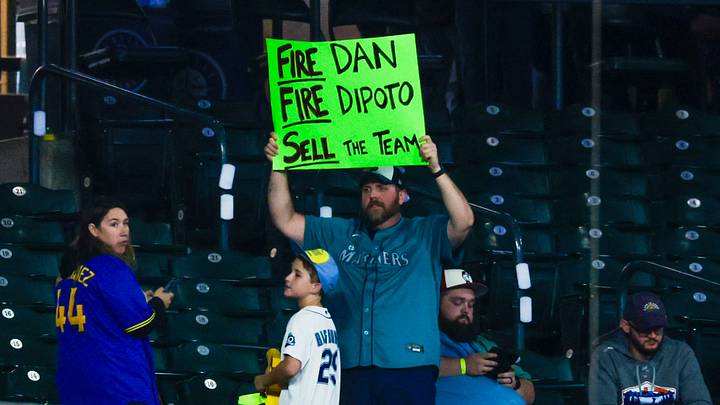
While changes will likely come for the Mariners, there is one change that seems highly unlikely. President of baseball operations Jerry Dipoto is probably not going anywhere. In reality, there is a version of the Mariners' future in which Dipoto remains in charge for years to come, becoming Seattle's own version of what Brian Cashman has become in New York.
Cashman has been the Yankees' general manager for nearly three decades. He has survived disappointing seasons, organizational changes, and high expectations that come with running one of baseball's most recognizable franchises. That being said, he's also produced just one World Series winner since 2000, giving rise to annual anguish among a fanbase that has 27 reasons to expect better.
While Dipoto has been in Seattle for only 10 years, the organizational comfort surrounding him is starting to feel familiar.
Jerry Dipoto deserves his flowers for turning the Mariners into a contender
Dipoto has a legit track record. In fact, he has one of the best track records of any front office leader in Mariners history. Seattle has had 19 winning seasons in its 50 years, and seven of them have come during Dipoto's time there.
Dipoto's success is no coincidence. Thanks to him, Seattle has become one of baseball's best teams at drafting and developing, especially when it comes to pitching. The Mariners have consistently found ways to turn young arms into legitimate major-league contributors. Some solid examples include Logan Gilbert as the 14th pick in the 2018 draft, George Kirby as the 20th pick in the 2019 draft, Bryan Woo as a sixth-round pick in 2021, and Bryce Miller as a fourth-round pick in that same year.
In recent years, Dipoto has also shown more willingness to lock up players the organization believes in. Extensions for Cal Raleigh, Julio Rodríguez, and Colt Emerson have acted as big wins for a team that spends significant time trying to establish a sustainable core.
These are areas where Dipoto deserves credit. He knows how to build a baseball team, he is capable of identifying pitching and knows how to develop it, and he can maintain a farm system. Most importantly though, is that Dipoto knows how to keep a team in the competition.
Jerry Dipoto's weaknesses are getting harder to shrug off
Being competitive, however, and being a championship contender are often two different things, and Dipoto has a blind spot that Mariners's fans have seen over his 10 years in Seattle. Unfortunately, his strengths are sometimes also his weaknesses.
While Seattle's pitching development is impressive, the organization has struggled to put together an offense with the same impact. Dipoto's love for platoon players and buying low on bounce-back candidates are novel, but eventually, someone has to hit the ball. When a roster relies too heavily on marginal gains, there's a cap to what it is capable of.
There are stars, like Rodríguez and Raleigh, but this year wasn't their time to shine. Their low production, combined with Dipoto's reluctance to pursue a solid middle-of-the-order bat, resulted in a lack of sustainability that the team couldn't outrun.
Speaking of sustainability, think back to 2023. Dipoto talked about the goal of winning roughly 54 percent of games over a 10-year period. Mathematically, that idea makes sense. A team that consistently wins around 87 or 88 games is certainly going to remain in the postseason conversation.
Jerry Dipoto says he operates with a 10-year plan to win 54% of the time.
— Jake García (@Jake_M_Garcia) October 3, 2023
"We're actually doing the fanbase a favor in asking for their patience to win the World Series while we continue to build a sustainably good roster." pic.twitter.com/EUfd04TsTo
In reality, his comments ignited conversations about what he was building toward. Dipoto later apologized for the way his comments were interpreted, emphasizing that his goal wasn't to be mediocre. While that may be true, it gives way to an uncomfortable question about his position as president of baseball operations.
Does Dipoto have a high floor but a low ceiling?
The postseason is unpredictable, and an 88-win team can certainly take home a championship. But there is a difference between just allowing anything to happen and building a team that actually makes something happen. Solid baseball teams don't just try to make it to the tournament, they build rosters capable of going all the way.
This is where it feels as if the Mariners have fallen short. Seattle often protects its future at the expense of its present, and it's hard not to look at Dipoto as the face of those decisions.
Jerry Dipoto's blind spots go beyond roster construction
Another area where Dipoto deserves scrutiny lies in his choice of managers. When he took over in 2016, he hired Scott Servais, who had never managed a professional baseball game. The two had a longstanding friendship.
After Servais' time in Seattle ended, Dipoto turned to Dan Wilson, who also had an unexpected path to management. While Wilson has tremendous respect inside the organization, his limited coaching background raised questions about what Dipoto wants from a manager, especially given his previous experience with Mike Scioscia during his time with the Angels.
Dipoto and Scioscia struggled to see eye-to-eye and it eventually resulted in Dipoto's departure from Los Angeles. That history makes it easy to wonder if Dipoto is more comfortable with managers who won't challenge him or his vision too hard. That's important, because front office heads need someone willing to push back to better the organization, something that doesn't currently seem to be happening in Seattle.
The issue isn't whether Dipoto is good at his job. He certainly is. His winning percentage across his time running baseball operations with both the Angels and the Mariners is around .520. Thanks to him, Seattle has seen winning seasons, playoff appearances, talented players, and incredible pitching.
Dipoto offers Seattle stability. Just as Brian Cashman has done in New York. And that's where the Mariners need to be careful. Holding on to Dipoto simply because his long tenure with the organization has become comfortable could mean the Mariners become too focused on his floor that they forget about his ceiling.
At some point, good enough stops being good enough.
 Add us as a preferred source on Google