%20%20--%3E%0A%3Csvg%20version%3D%221.1%22%20xmlns%3D%22http%3A%2F%2Fwww.w3.org%2F2000%2Fsvg%22%20xmlns%3Axlink%3D%22http%3A%2F%2Fwww.w3.org%2F1999%2Fxlink%22%20x%3D%220px%22%20y%3D%220px%22%0A%09%20viewBox%3D%220%200%20827.4%20200%22%20style%3D%22enable-background%3Anew%200%200%20827.4%20200%3B%22%20xml%3Aspace%3D%22preserve%22%3E%0A%3Cstyle%20type%3D%22text%2Fcss%22%3E%0A%09.st0%7Bfill%3A%23231F20%3B%7D%0A%09.st1%7Bfill%3A%230C2C56%3B%7D%0A%09.st2%7Bfill%3A%234D4D4D%3B%7D%0A%09.st3%7Bfill%3A%23FFFFFF%3B%7D%0A%09.st4%7Bfill%3A%230F9AA3%3B%7D%0A%09.st5%7Bfill%3A%23001C43%3B%7D%0A%3C%2Fstyle%3E%0A%3Cg%20id%3D%22Template%22%3E%0A%3C%2Fg%3E%0A%3Cg%20id%3D%22Layer_2%22%3E%0A%09%3Cpath%20class%3D%22st3%22%20d%3D%22M70.4%2C94.8C63.3%2C90%2C55%2C87%2C45.3%2C85.7c-7.7-1-11.8-3.1-13.1-4.7c-0.6-0.7-1.6-1.9%2C0.3-5.3%0A%09%09c1.9-3.2%2C7.7-3.9%2C12.2-3.9c5.1%2C0%2C8.9%2C1.2%2C12.6%2C3.8c4.3%2C3.1%2C9.5%2C2.9%2C13-0.7l5.1-5.1c2.1-2.1%2C3.2-4.9%2C3.1-7.7%0A%09%09c-0.1-2.8-1.4-5.3-3.7-7.2c-3.6-2.8-6.9-4.8-10.6-6.4c-5.9-2.5-13.8-3.7-23.5-3.7c-9.1%2C0-17.9%2C3-26.2%2C8.9%0A%09%09c-8.7%2C6.3-13.2%2C14.7-13.2%2C25c0%2C11.6%2C4.1%2C19.8%2C12.1%2C24.7c7.2%2C4.3%2C15.3%2C7%2C24%2C8c9.6%2C0.9%2C12.9%2C3.3%2C14%2C5.2c1.5%2C2.6%2C1.5%2C4.9%2C0%2C7.5%0A%09%09c-1.6%2C2.7-6.5%2C4.1-13.3%2C3.8c-6.9-0.3-12.3-2-16.9-5.3c-4.3-3.1-9.5-2.8-12.9%2C0.7l-5.2%2C5.1c-2.2%2C2.2-3.3%2C5-3.1%2C7.9%0A%09%09c0.2%2C2.8%2C1.6%2C5.4%2C4%2C7.2c3.7%2C2.9%2C7.4%2C5%2C12%2C7c6.8%2C2.9%2C15.3%2C4.4%2C25.4%2C4.4c10.8%2C0%2C20.4-3.3%2C28.6-9.8c8.5-6.6%2C12.8-14.7%2C12.8-24.1%0A%09%09C82.7%2C109.1%2C78.5%2C100.3%2C70.4%2C94.8z%22%2F%3E%0A%09%3Cpath%20class%3D%22st3%22%20d%3D%22M142.6%2C44.8c-15.6%2C0-28.8%2C5.3-39.2%2C15.8C92.9%2C71.1%2C87.6%2C84.3%2C87.6%2C99.9c0%2C15.5%2C5.3%2C28.7%2C15.8%2C39.2%0A%09%09c10.5%2C10.5%2C23.7%2C15.8%2C39.2%2C15.8s28.8-5.3%2C39.2-15.8c10.5-10.5%2C15.8-23.7%2C15.8-39.2c0-15.6-5.3-28.8-15.8-39.2%0A%09%09C171.4%2C50.1%2C158.2%2C44.8%2C142.6%2C44.8z%20M161.9%2C120c-5%2C5.3-11.2%2C7.9-19.2%2C7.9c-8%2C0-14.3-2.6-19.3-7.9c-5-5.4-7.4-12-7.4-20.1%0A%09%09c0-8.1%2C2.4-14.7%2C7.4-20.1c5-5.3%2C11.2-7.9%2C19.2-7.9c8%2C0%2C14.3%2C2.6%2C19.3%2C7.9c5%2C5.4%2C7.4%2C12%2C7.4%2C20.1C169.2%2C108%2C166.8%2C114.6%2C161.9%2C120z%22%0A%09%09%2F%3E%0A%09%3Cpath%20class%3D%22st3%22%20d%3D%22M248.3%2C44.8H215c-5.7%2C0-10%2C4.3-10%2C10v90.2c0%2C5.7%2C4.3%2C10%2C10%2C10h33.3c33.8%2C0%2C51.6-19%2C51.6-55%0A%09%09C299.9%2C63.8%2C282.1%2C44.8%2C248.3%2C44.8z%20M248.3%2C126.5h-14.9V73.3h14.9c15.9%2C0%2C23.2%2C8.5%2C23.2%2C26.6C271.5%2C118.1%2C264.1%2C126.5%2C248.3%2C126.5z%0A%09%09%22%2F%3E%0A%09%3Cpath%20class%3D%22st3%22%20d%3D%22M362.3%2C44.8c-15.6%2C0-28.8%2C5.3-39.2%2C15.8c-10.5%2C10.5-15.8%2C23.7-15.8%2C39.2c0%2C15.5%2C5.3%2C28.7%2C15.8%2C39.2%0A%09%09c10.5%2C10.5%2C23.7%2C15.8%2C39.2%2C15.8c15.6%2C0%2C28.8-5.3%2C39.2-15.8c10.5-10.5%2C15.8-23.7%2C15.8-39.2c0-15.6-5.3-28.8-15.8-39.2%0A%09%09C391.1%2C50.1%2C377.9%2C44.8%2C362.3%2C44.8z%20M381.5%2C120c-5%2C5.3-11.2%2C7.9-19.2%2C7.9c-8%2C0-14.3-2.6-19.3-7.9c-5-5.4-7.4-12-7.4-20.1%0A%09%09c0-8.1%2C2.4-14.7%2C7.4-20.1c5-5.3%2C11.2-7.9%2C19.2-7.9c8%2C0%2C14.3%2C2.6%2C19.3%2C7.9c5%2C5.4%2C7.4%2C12%2C7.4%2C20.1C388.9%2C108%2C386.5%2C114.6%2C381.5%2C120z%22%0A%09%09%2F%3E%0A%09%3Cpath%20class%3D%22st4%22%20d%3D%22M548.3%2C44.8c-2.6%2C0-4.9%2C1.1-6.7%2C3l-39.8%2C45.3L462%2C47.8c-1.7-1.9-4.1-3-6.7-3h-1.3c-4.2%2C0-7.3%2C4.2-7.3%2C10v90.1%0A%09%09c0%2C5.7%2C4.3%2C10%2C10%2C10h8.5c5.7%2C0%2C10-4.3%2C10-10v-42.8l19%2C21.2c2%2C2.2%2C4.7%2C3.5%2C7.6%2C3.5s5.6-1.2%2C7.6-3.5l19-21.2l0.1%2C42.9%0A%09%09c0%2C5.7%2C4.3%2C10%2C10%2C10h8.5c5.7%2C0%2C10-4.3%2C10-10V54.8C556.9%2C49.1%2C553.2%2C44.8%2C548.3%2C44.8z%22%2F%3E%0A%09%3Cpath%20class%3D%22st4%22%20d%3D%22M674.4%2C99.8c0-15.6-5.3-28.8-15.8-39.2c-10.5-10.5-23.7-15.8-39.2-15.8c-15.6%2C0-28.8%2C5.3-39.2%2C15.8%0A%09%09c-10.5%2C10.5-15.8%2C23.7-15.8%2C39.2c0%2C15.5%2C5.3%2C28.7%2C15.8%2C39.2c10.5%2C10.5%2C23.7%2C15.8%2C39.2%2C15.8c15.6%2C0%2C28.8-5.3%2C39.2-15.8%0A%09%09C669.1%2C128.6%2C674.4%2C115.4%2C674.4%2C99.8z%20M638.6%2C119.9c-5%2C5.3-11.2%2C7.9-19.2%2C7.9c-8%2C0-14.3-2.6-19.3-7.9c-5-5.4-7.4-12-7.4-20.1%0A%09%09c0-8.1%2C2.4-14.7%2C7.4-20.1c5-5.3%2C11.2-7.9%2C19.2-7.9c8%2C0%2C14.3%2C2.6%2C19.3%2C7.9c5%2C5.4%2C7.4%2C12%2C7.4%2C20.1C645.9%2C108%2C643.5%2C114.5%2C638.6%2C119.9%0A%09%09z%22%2F%3E%0A%09%3Cpath%20class%3D%22st4%22%20d%3D%22M811.6%2C60.6c-10.5-10.5-23.7-15.8-39.2-15.8c-15.6%2C0-28.8%2C5.3-39.2%2C15.8c-10.5%2C10.5-15.8%2C23.7-15.8%2C39.2%0A%09%09c0%2C15.5%2C5.3%2C28.7%2C15.8%2C39.2c10.5%2C10.5%2C23.7%2C15.8%2C39.2%2C15.8c15.6%2C0%2C28.8-5.3%2C39.2-15.8c10.5-10.5%2C15.8-23.7%2C15.8-39.2%0A%09%09C827.4%2C84.3%2C822.1%2C71.1%2C811.6%2C60.6z%20M791.6%2C119.9c-5%2C5.3-11.2%2C7.9-19.2%2C7.9c-8%2C0-14.3-2.6-19.3-7.9c-5-5.4-7.4-12-7.4-20.1%0A%09%09c0-8.1%2C2.4-14.7%2C7.4-20.1c5-5.3%2C11.2-7.9%2C19.2-7.9c8%2C0%2C14.3%2C2.6%2C19.3%2C7.9c5%2C5.4%2C7.4%2C12%2C7.4%2C20.1C799%2C108%2C796.5%2C114.5%2C791.6%2C119.9z%22%0A%09%09%2F%3E%0A%09%3Cpath%20class%3D%22st4%22%20d%3D%22M700%2C44.8h-8.3c-5.7%2C0-10%2C4.3-10%2C10l0.1%2C87.6v9.4c0%2C7.5-2.9%2C10.8-9.7%2C11l-0.8%2C0v-4.5c0-1.3-0.7-2.6-1.7-3.1%0A%09%09c-0.3-0.2-0.7-0.3-1.1-0.3c-0.7%2C0-1.4%2C0.3-1.9%2C0.9l-16.2%2C19c-0.5%2C0.6-0.8%2C1.5-0.8%2C2.4s0.3%2C1.8%2C0.8%2C2.4l16.2%2C19%0A%09%09c0.5%2C0.6%2C1.2%2C0.9%2C1.9%2C0.9c0.4%2C0%2C0.7-0.1%2C1.1-0.3c1-0.5%2C1.7-1.7%2C1.7-3.1v-6.6h7.9c8.9%2C0%2C16.4-2.9%2C22.2-8.7l0%2C0%0A%09%09c5.7-5.7%2C8.6-13.3%2C8.6-22.5l0-16.2V54.8C710%2C49.1%2C705.7%2C44.8%2C700%2C44.8z%22%2F%3E%0A%3C%2Fg%3E%0A%3C%2Fsvg%3E%0A)

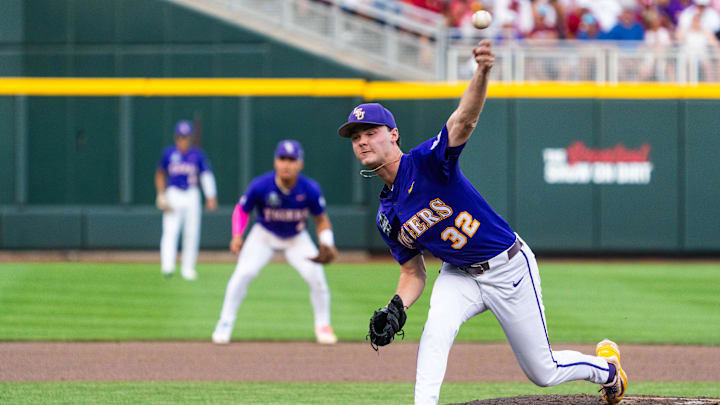
The Mariners have already shown us they are not afraid to get weird in the contract extension department. So if we are going to be honest about where this organization is, Kade Anderson should probably be part of that conversation sooner than feels comfortable.
In 2019, Seattle became one of the first clubs in baseball history to give a long-term deal to a player with zero days of big league service time, extending Evan White before his MLB debut. The same group went back to that uncomfortable corner of the market with Colt Emerson this April, whose reported eight-year, $95 million deal became the largest contract ever given to a player with no major league service time. Only nine players have signed long-term deals before reaching the majors, and Seattle is responsible for two of them.
Jerry Dipoto’s group likes to identify its core early, buy down future risk, and create cost certainty before the rest of the sport gets a chance to adjust the price. Sometimes that makes you look brilliant. Sometimes it makes you stare at Evan White…well, anyway.
The philosophy is not hard to see. The Mariners selected Anderson with the No. 3 overall pick in the 2025 MLB Draft, grabbing a polished LSU left-hander fresh off a College World Series run. We don’t need to relitigate every college accolade here to understand the bigger point. Seattle didn’t draft some teenager it has to spend the next five years trying to turn into a pitcher.
He’s already in Double-A. He has a real four-pitch mix with advanced pitchability. And then he went out and made the early pro adjustment look a little too casual.
Through his first six starts with Double-A Arkansas, Anderson is 3-0 with a 0.60 ERA, 47 strikeouts, and a 0.67 WHIP over 30 innings. It is still a small sample, but nothing about that kind of dominance should be dismissed.
Kade Anderson is the rare pitching prospect who actually fits Seattle’s extension appetite
Here’s where it gets interesting. No pitcher has ever signed a true pre-debut long-term extension. Matt Moore is the closest precedent, but even he had already reached the majors when Tampa Bay locked him up in December 2011. Moore had 17 days of service time and 19 major league innings, including postseason work, before the Rays gave him a five-year, $14 million guarantee with options that could push the deal much higher. Moore’s deal was the first of its kind for a pitcher, but it still was not pre-debut.
That is the line Seattle would be crossing with Anderson. But pitchers are terrifying, and that is both the obvious pushback and the correct one. Anderson already has Tommy John surgery in his history, having undergone the procedure in 2022 before missing his senior year of high school. A nasty breaking ball and a ridiculous Double-A stat line do not erase his elbow history.
Kade Anderson awesome again. Final line: 5.2IP, 2H, 1R, BB, 9K, 22 whiffs, 75 pitches, 49 strikes.
— Mariners Minors (@MiLBMariners) May 8, 2026
In his first 6 professional starts:
0.60ERA, 30IP, 15H, 2R, 5BB, 47K pic.twitter.com/PTZzkcfynq
There’s also an argument against doing this. Seattle has been almost absurdly good at building pitching. This organization turned Logan Gilbert, George Kirby, Bryce Miller, Bryan Woo, Emerson Hancock, and others into real major league rotation pieces. At some point, the front office can look around and say, “Why pay early for pitching risk when we keep producing pitching anyway?”
It’s fair, but it also cuts the other way. If the Mariners trust their pitching infrastructure that much, Anderson might be exactly the sort of arm they should want to bet on early. This is a high-pedigree college lefty with command, multiple weapons, swing-and-miss, and a track record of handling big environments before pro ball ever started.
The Mariners do not need Anderson to be Paul Skenes for this to be a worthwhile conversation. Waiting for Skenes-level certainty is how teams miss the only window where these deals make financial sense. And that’s the whole point of this game.
Pre-debut extensions are about timing. The team takes on risk before the player has major league proof. The player takes life-changing money before arbitration, free agency, and stardom can fully price him. Everybody gives something up. Everybody gets something back.
For Anderson, that discussion would have to be more aggressive than the Matt Moore framework. Moore’s $14 million guarantee came in 2011. The sport has moved a long way since then, and so has the price of buying out a top prospect’s future.
Anderson also signed for $8.8 million as the No. 3 pick, so this would not be a team dangling life-changing money in front of a player who has never had it. The guarantee would probably need to look more like a serious investment in a near-term rotation piece.
If the Mariners want to wait until Anderson reaches Triple-A or throws a major league inning, that is perfectly defensible. Caution doesn’t need an apology when the player in question is a pitching prospect with Tommy John surgery in his past.
But the opportunity is obvious. Seattle has a chance to get ahead of the market on a player who could be in its rotation soon, who could fit beside the next wave of homegrown talent, and who could become the first pitcher in MLB history to sign a long-term extension before throwing a big league pitch.
That doesn’t mean the Mariners have to do it. We’re just suggesting that it should be a conversation.
 Add us as a preferred source on Google