%20%20--%3E%0A%3Csvg%20version%3D%221.1%22%20xmlns%3D%22http%3A%2F%2Fwww.w3.org%2F2000%2Fsvg%22%20xmlns%3Axlink%3D%22http%3A%2F%2Fwww.w3.org%2F1999%2Fxlink%22%20x%3D%220px%22%20y%3D%220px%22%0A%09%20viewBox%3D%220%200%20827.4%20200%22%20style%3D%22enable-background%3Anew%200%200%20827.4%20200%3B%22%20xml%3Aspace%3D%22preserve%22%3E%0A%3Cstyle%20type%3D%22text%2Fcss%22%3E%0A%09.st0%7Bfill%3A%23231F20%3B%7D%0A%09.st1%7Bfill%3A%230C2C56%3B%7D%0A%09.st2%7Bfill%3A%234D4D4D%3B%7D%0A%09.st3%7Bfill%3A%23FFFFFF%3B%7D%0A%09.st4%7Bfill%3A%230F9AA3%3B%7D%0A%09.st5%7Bfill%3A%23001C43%3B%7D%0A%3C%2Fstyle%3E%0A%3Cg%20id%3D%22Template%22%3E%0A%3C%2Fg%3E%0A%3Cg%20id%3D%22Layer_2%22%3E%0A%09%3Cpath%20class%3D%22st3%22%20d%3D%22M70.4%2C94.8C63.3%2C90%2C55%2C87%2C45.3%2C85.7c-7.7-1-11.8-3.1-13.1-4.7c-0.6-0.7-1.6-1.9%2C0.3-5.3%0A%09%09c1.9-3.2%2C7.7-3.9%2C12.2-3.9c5.1%2C0%2C8.9%2C1.2%2C12.6%2C3.8c4.3%2C3.1%2C9.5%2C2.9%2C13-0.7l5.1-5.1c2.1-2.1%2C3.2-4.9%2C3.1-7.7%0A%09%09c-0.1-2.8-1.4-5.3-3.7-7.2c-3.6-2.8-6.9-4.8-10.6-6.4c-5.9-2.5-13.8-3.7-23.5-3.7c-9.1%2C0-17.9%2C3-26.2%2C8.9%0A%09%09c-8.7%2C6.3-13.2%2C14.7-13.2%2C25c0%2C11.6%2C4.1%2C19.8%2C12.1%2C24.7c7.2%2C4.3%2C15.3%2C7%2C24%2C8c9.6%2C0.9%2C12.9%2C3.3%2C14%2C5.2c1.5%2C2.6%2C1.5%2C4.9%2C0%2C7.5%0A%09%09c-1.6%2C2.7-6.5%2C4.1-13.3%2C3.8c-6.9-0.3-12.3-2-16.9-5.3c-4.3-3.1-9.5-2.8-12.9%2C0.7l-5.2%2C5.1c-2.2%2C2.2-3.3%2C5-3.1%2C7.9%0A%09%09c0.2%2C2.8%2C1.6%2C5.4%2C4%2C7.2c3.7%2C2.9%2C7.4%2C5%2C12%2C7c6.8%2C2.9%2C15.3%2C4.4%2C25.4%2C4.4c10.8%2C0%2C20.4-3.3%2C28.6-9.8c8.5-6.6%2C12.8-14.7%2C12.8-24.1%0A%09%09C82.7%2C109.1%2C78.5%2C100.3%2C70.4%2C94.8z%22%2F%3E%0A%09%3Cpath%20class%3D%22st3%22%20d%3D%22M142.6%2C44.8c-15.6%2C0-28.8%2C5.3-39.2%2C15.8C92.9%2C71.1%2C87.6%2C84.3%2C87.6%2C99.9c0%2C15.5%2C5.3%2C28.7%2C15.8%2C39.2%0A%09%09c10.5%2C10.5%2C23.7%2C15.8%2C39.2%2C15.8s28.8-5.3%2C39.2-15.8c10.5-10.5%2C15.8-23.7%2C15.8-39.2c0-15.6-5.3-28.8-15.8-39.2%0A%09%09C171.4%2C50.1%2C158.2%2C44.8%2C142.6%2C44.8z%20M161.9%2C120c-5%2C5.3-11.2%2C7.9-19.2%2C7.9c-8%2C0-14.3-2.6-19.3-7.9c-5-5.4-7.4-12-7.4-20.1%0A%09%09c0-8.1%2C2.4-14.7%2C7.4-20.1c5-5.3%2C11.2-7.9%2C19.2-7.9c8%2C0%2C14.3%2C2.6%2C19.3%2C7.9c5%2C5.4%2C7.4%2C12%2C7.4%2C20.1C169.2%2C108%2C166.8%2C114.6%2C161.9%2C120z%22%0A%09%09%2F%3E%0A%09%3Cpath%20class%3D%22st3%22%20d%3D%22M248.3%2C44.8H215c-5.7%2C0-10%2C4.3-10%2C10v90.2c0%2C5.7%2C4.3%2C10%2C10%2C10h33.3c33.8%2C0%2C51.6-19%2C51.6-55%0A%09%09C299.9%2C63.8%2C282.1%2C44.8%2C248.3%2C44.8z%20M248.3%2C126.5h-14.9V73.3h14.9c15.9%2C0%2C23.2%2C8.5%2C23.2%2C26.6C271.5%2C118.1%2C264.1%2C126.5%2C248.3%2C126.5z%0A%09%09%22%2F%3E%0A%09%3Cpath%20class%3D%22st3%22%20d%3D%22M362.3%2C44.8c-15.6%2C0-28.8%2C5.3-39.2%2C15.8c-10.5%2C10.5-15.8%2C23.7-15.8%2C39.2c0%2C15.5%2C5.3%2C28.7%2C15.8%2C39.2%0A%09%09c10.5%2C10.5%2C23.7%2C15.8%2C39.2%2C15.8c15.6%2C0%2C28.8-5.3%2C39.2-15.8c10.5-10.5%2C15.8-23.7%2C15.8-39.2c0-15.6-5.3-28.8-15.8-39.2%0A%09%09C391.1%2C50.1%2C377.9%2C44.8%2C362.3%2C44.8z%20M381.5%2C120c-5%2C5.3-11.2%2C7.9-19.2%2C7.9c-8%2C0-14.3-2.6-19.3-7.9c-5-5.4-7.4-12-7.4-20.1%0A%09%09c0-8.1%2C2.4-14.7%2C7.4-20.1c5-5.3%2C11.2-7.9%2C19.2-7.9c8%2C0%2C14.3%2C2.6%2C19.3%2C7.9c5%2C5.4%2C7.4%2C12%2C7.4%2C20.1C388.9%2C108%2C386.5%2C114.6%2C381.5%2C120z%22%0A%09%09%2F%3E%0A%09%3Cpath%20class%3D%22st4%22%20d%3D%22M548.3%2C44.8c-2.6%2C0-4.9%2C1.1-6.7%2C3l-39.8%2C45.3L462%2C47.8c-1.7-1.9-4.1-3-6.7-3h-1.3c-4.2%2C0-7.3%2C4.2-7.3%2C10v90.1%0A%09%09c0%2C5.7%2C4.3%2C10%2C10%2C10h8.5c5.7%2C0%2C10-4.3%2C10-10v-42.8l19%2C21.2c2%2C2.2%2C4.7%2C3.5%2C7.6%2C3.5s5.6-1.2%2C7.6-3.5l19-21.2l0.1%2C42.9%0A%09%09c0%2C5.7%2C4.3%2C10%2C10%2C10h8.5c5.7%2C0%2C10-4.3%2C10-10V54.8C556.9%2C49.1%2C553.2%2C44.8%2C548.3%2C44.8z%22%2F%3E%0A%09%3Cpath%20class%3D%22st4%22%20d%3D%22M674.4%2C99.8c0-15.6-5.3-28.8-15.8-39.2c-10.5-10.5-23.7-15.8-39.2-15.8c-15.6%2C0-28.8%2C5.3-39.2%2C15.8%0A%09%09c-10.5%2C10.5-15.8%2C23.7-15.8%2C39.2c0%2C15.5%2C5.3%2C28.7%2C15.8%2C39.2c10.5%2C10.5%2C23.7%2C15.8%2C39.2%2C15.8c15.6%2C0%2C28.8-5.3%2C39.2-15.8%0A%09%09C669.1%2C128.6%2C674.4%2C115.4%2C674.4%2C99.8z%20M638.6%2C119.9c-5%2C5.3-11.2%2C7.9-19.2%2C7.9c-8%2C0-14.3-2.6-19.3-7.9c-5-5.4-7.4-12-7.4-20.1%0A%09%09c0-8.1%2C2.4-14.7%2C7.4-20.1c5-5.3%2C11.2-7.9%2C19.2-7.9c8%2C0%2C14.3%2C2.6%2C19.3%2C7.9c5%2C5.4%2C7.4%2C12%2C7.4%2C20.1C645.9%2C108%2C643.5%2C114.5%2C638.6%2C119.9%0A%09%09z%22%2F%3E%0A%09%3Cpath%20class%3D%22st4%22%20d%3D%22M811.6%2C60.6c-10.5-10.5-23.7-15.8-39.2-15.8c-15.6%2C0-28.8%2C5.3-39.2%2C15.8c-10.5%2C10.5-15.8%2C23.7-15.8%2C39.2%0A%09%09c0%2C15.5%2C5.3%2C28.7%2C15.8%2C39.2c10.5%2C10.5%2C23.7%2C15.8%2C39.2%2C15.8c15.6%2C0%2C28.8-5.3%2C39.2-15.8c10.5-10.5%2C15.8-23.7%2C15.8-39.2%0A%09%09C827.4%2C84.3%2C822.1%2C71.1%2C811.6%2C60.6z%20M791.6%2C119.9c-5%2C5.3-11.2%2C7.9-19.2%2C7.9c-8%2C0-14.3-2.6-19.3-7.9c-5-5.4-7.4-12-7.4-20.1%0A%09%09c0-8.1%2C2.4-14.7%2C7.4-20.1c5-5.3%2C11.2-7.9%2C19.2-7.9c8%2C0%2C14.3%2C2.6%2C19.3%2C7.9c5%2C5.4%2C7.4%2C12%2C7.4%2C20.1C799%2C108%2C796.5%2C114.5%2C791.6%2C119.9z%22%0A%09%09%2F%3E%0A%09%3Cpath%20class%3D%22st4%22%20d%3D%22M700%2C44.8h-8.3c-5.7%2C0-10%2C4.3-10%2C10l0.1%2C87.6v9.4c0%2C7.5-2.9%2C10.8-9.7%2C11l-0.8%2C0v-4.5c0-1.3-0.7-2.6-1.7-3.1%0A%09%09c-0.3-0.2-0.7-0.3-1.1-0.3c-0.7%2C0-1.4%2C0.3-1.9%2C0.9l-16.2%2C19c-0.5%2C0.6-0.8%2C1.5-0.8%2C2.4s0.3%2C1.8%2C0.8%2C2.4l16.2%2C19%0A%09%09c0.5%2C0.6%2C1.2%2C0.9%2C1.9%2C0.9c0.4%2C0%2C0.7-0.1%2C1.1-0.3c1-0.5%2C1.7-1.7%2C1.7-3.1v-6.6h7.9c8.9%2C0%2C16.4-2.9%2C22.2-8.7l0%2C0%0A%09%09c5.7-5.7%2C8.6-13.3%2C8.6-22.5l0-16.2V54.8C710%2C49.1%2C705.7%2C44.8%2C700%2C44.8z%22%2F%3E%0A%3C%2Fg%3E%0A%3C%2Fsvg%3E%0A)

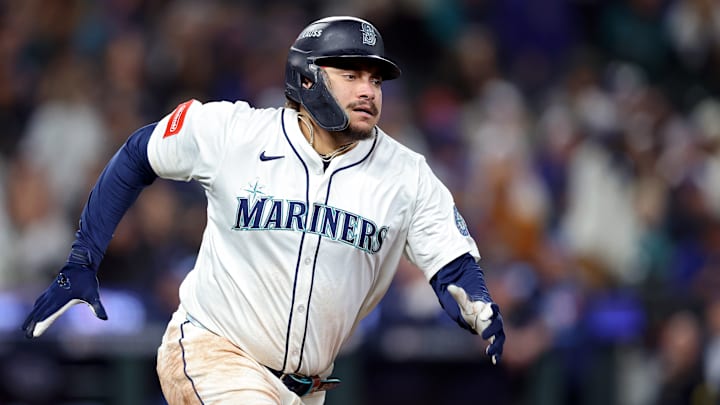
Seattle Mariners fans are collectively screaming, “Finally!” After years of begging for a real middle-of-the-order investment, Seattle didn’t just nibble around the edges this winter — they went out and reunited with Josh Naylor. The move landed with such a jolt that even in the aftermath of a painful Seahawks loss and during the annual gray, soaking stretch of the calendar, it felt like the sun finally broke through over the Sound. Any narrative about a depressed, grieving sports city suddenly had its mood meter bumped a few notches.
That’s what happens when a front office finally does the one thing fans have spent an entire era asking for. For most of Jerry Dipoto’s tenure, the Mariners have tried to build a contender around elite pitching, clever trades, and value plays in the lineup.
Some of those moves worked. Some didn’t. But the missing piece was always the same: at some point, you have to stop hoping your bargain bats all hit at once and just go buy a dude who can hit in the middle of your lineup for the next half-decade. Naylor is that dude, and the check the Mariners just wrote is the kind of statement that reverberates well beyond a single press conference.
Mariners break old habits with Josh Naylor deal fans have wanted for years
Here’s the thing: before Naylor, Dipoto had never crossed the $24 million line for a hitter. Mitch Garver’s two-year, $24 million deal was the high-water mark. For an organization that has cycled through offensive soft spots like clockwork, that ceiling became a symbol as much as a data point. It was proof of how much of this era had been defined by run prevention, by trusting internal development and trade wizardry to cover what the payroll wouldn’t. When the offense sputtered — and it has, over and over — the easy question was always, “Where’s the big bat?
Mariners, 1B Josh Naylor finalizing five-year deal per multiple reports, including MLB's @Feinsand. pic.twitter.com/FyxSn2Vhvu
— MLB (@MLB) November 17, 2025
It’s not as simple as just blaming the president of baseball operations. Ownership wears a big share of this, too. You don’t have to squint hard to understand why John Stanton might have been hesitant after the Robinson Canó deal and the broader Jack Zduriencik era that preceded Jerry Dipoto, which didn’t exactly transform the franchise overnight. Or by the fact that the Nelson Cruz years, as fun and productive as they were, still didn’t end with a parade. Big contracts for hitters haven’t exactly been magic solutions in Seattle’s recent history. If you’re the one signing the checks, it’s easy to talk yourself into pitching, flexibility, and “keeping powder dry” instead of committing nine figures to another bat.
But there’s a cost to waiting forever for the “perfect” moment. It’s fair to wonder whether the Mariners might have crashed an ALCS party a little sooner if they’d broken through this spending barrier on offense a few years back. You can only ask your rotation and bullpen to drag an average lineup so far into October before the margin for error snaps. At some point, if you truly believe your competitive window is open, you have to act like it and import a hitter who changes the math the second he steps into the box.
That’s what makes the timing of the Naylor deal feel so important. Seattle has a core that’s ready to win now, and this signing isn’t just a luxury add — it’s the front office finally aligning its checkbook with its rhetoric. When GM Justin Hollander has spent the offseason openly talking about the need to upgrade the lineup and add real thump, Naylor becomes the literal embodiment of “putting their money where their mouth is.” He’s a left-handed, middle-of-the-order presence who fits the park, fits the timeline, and fits what this fanbase has been screaming for.
So yes, it’s still gray outside. The rain is still coming in sideways, and the Seahawks are still having a good season even after that heartbreaking loss to the Rams that hit just before the Naylor news dropped. But for Mariners fans, this winter suddenly feels different. The Naylor contract isn’t just numbers on a spreadsheet — it’s a signal that this front office is finally willing to push past its old limits to chase something bigger. In a city that’s been waiting decades for a baseball breakthrough, that alone is enough to make the whole place feel a little brighter.
 Add us as a preferred source on Google