%20%20--%3E%0A%3Csvg%20version%3D%221.1%22%20xmlns%3D%22http%3A%2F%2Fwww.w3.org%2F2000%2Fsvg%22%20xmlns%3Axlink%3D%22http%3A%2F%2Fwww.w3.org%2F1999%2Fxlink%22%20x%3D%220px%22%20y%3D%220px%22%0A%09%20viewBox%3D%220%200%20827.4%20200%22%20style%3D%22enable-background%3Anew%200%200%20827.4%20200%3B%22%20xml%3Aspace%3D%22preserve%22%3E%0A%3Cstyle%20type%3D%22text%2Fcss%22%3E%0A%09.st0%7Bfill%3A%23231F20%3B%7D%0A%09.st1%7Bfill%3A%230C2C56%3B%7D%0A%09.st2%7Bfill%3A%234D4D4D%3B%7D%0A%09.st3%7Bfill%3A%23FFFFFF%3B%7D%0A%09.st4%7Bfill%3A%230F9AA3%3B%7D%0A%09.st5%7Bfill%3A%23001C43%3B%7D%0A%3C%2Fstyle%3E%0A%3Cg%20id%3D%22Template%22%3E%0A%3C%2Fg%3E%0A%3Cg%20id%3D%22Layer_2%22%3E%0A%09%3Cpath%20class%3D%22st3%22%20d%3D%22M70.4%2C94.8C63.3%2C90%2C55%2C87%2C45.3%2C85.7c-7.7-1-11.8-3.1-13.1-4.7c-0.6-0.7-1.6-1.9%2C0.3-5.3%0A%09%09c1.9-3.2%2C7.7-3.9%2C12.2-3.9c5.1%2C0%2C8.9%2C1.2%2C12.6%2C3.8c4.3%2C3.1%2C9.5%2C2.9%2C13-0.7l5.1-5.1c2.1-2.1%2C3.2-4.9%2C3.1-7.7%0A%09%09c-0.1-2.8-1.4-5.3-3.7-7.2c-3.6-2.8-6.9-4.8-10.6-6.4c-5.9-2.5-13.8-3.7-23.5-3.7c-9.1%2C0-17.9%2C3-26.2%2C8.9%0A%09%09c-8.7%2C6.3-13.2%2C14.7-13.2%2C25c0%2C11.6%2C4.1%2C19.8%2C12.1%2C24.7c7.2%2C4.3%2C15.3%2C7%2C24%2C8c9.6%2C0.9%2C12.9%2C3.3%2C14%2C5.2c1.5%2C2.6%2C1.5%2C4.9%2C0%2C7.5%0A%09%09c-1.6%2C2.7-6.5%2C4.1-13.3%2C3.8c-6.9-0.3-12.3-2-16.9-5.3c-4.3-3.1-9.5-2.8-12.9%2C0.7l-5.2%2C5.1c-2.2%2C2.2-3.3%2C5-3.1%2C7.9%0A%09%09c0.2%2C2.8%2C1.6%2C5.4%2C4%2C7.2c3.7%2C2.9%2C7.4%2C5%2C12%2C7c6.8%2C2.9%2C15.3%2C4.4%2C25.4%2C4.4c10.8%2C0%2C20.4-3.3%2C28.6-9.8c8.5-6.6%2C12.8-14.7%2C12.8-24.1%0A%09%09C82.7%2C109.1%2C78.5%2C100.3%2C70.4%2C94.8z%22%2F%3E%0A%09%3Cpath%20class%3D%22st3%22%20d%3D%22M142.6%2C44.8c-15.6%2C0-28.8%2C5.3-39.2%2C15.8C92.9%2C71.1%2C87.6%2C84.3%2C87.6%2C99.9c0%2C15.5%2C5.3%2C28.7%2C15.8%2C39.2%0A%09%09c10.5%2C10.5%2C23.7%2C15.8%2C39.2%2C15.8s28.8-5.3%2C39.2-15.8c10.5-10.5%2C15.8-23.7%2C15.8-39.2c0-15.6-5.3-28.8-15.8-39.2%0A%09%09C171.4%2C50.1%2C158.2%2C44.8%2C142.6%2C44.8z%20M161.9%2C120c-5%2C5.3-11.2%2C7.9-19.2%2C7.9c-8%2C0-14.3-2.6-19.3-7.9c-5-5.4-7.4-12-7.4-20.1%0A%09%09c0-8.1%2C2.4-14.7%2C7.4-20.1c5-5.3%2C11.2-7.9%2C19.2-7.9c8%2C0%2C14.3%2C2.6%2C19.3%2C7.9c5%2C5.4%2C7.4%2C12%2C7.4%2C20.1C169.2%2C108%2C166.8%2C114.6%2C161.9%2C120z%22%0A%09%09%2F%3E%0A%09%3Cpath%20class%3D%22st3%22%20d%3D%22M248.3%2C44.8H215c-5.7%2C0-10%2C4.3-10%2C10v90.2c0%2C5.7%2C4.3%2C10%2C10%2C10h33.3c33.8%2C0%2C51.6-19%2C51.6-55%0A%09%09C299.9%2C63.8%2C282.1%2C44.8%2C248.3%2C44.8z%20M248.3%2C126.5h-14.9V73.3h14.9c15.9%2C0%2C23.2%2C8.5%2C23.2%2C26.6C271.5%2C118.1%2C264.1%2C126.5%2C248.3%2C126.5z%0A%09%09%22%2F%3E%0A%09%3Cpath%20class%3D%22st3%22%20d%3D%22M362.3%2C44.8c-15.6%2C0-28.8%2C5.3-39.2%2C15.8c-10.5%2C10.5-15.8%2C23.7-15.8%2C39.2c0%2C15.5%2C5.3%2C28.7%2C15.8%2C39.2%0A%09%09c10.5%2C10.5%2C23.7%2C15.8%2C39.2%2C15.8c15.6%2C0%2C28.8-5.3%2C39.2-15.8c10.5-10.5%2C15.8-23.7%2C15.8-39.2c0-15.6-5.3-28.8-15.8-39.2%0A%09%09C391.1%2C50.1%2C377.9%2C44.8%2C362.3%2C44.8z%20M381.5%2C120c-5%2C5.3-11.2%2C7.9-19.2%2C7.9c-8%2C0-14.3-2.6-19.3-7.9c-5-5.4-7.4-12-7.4-20.1%0A%09%09c0-8.1%2C2.4-14.7%2C7.4-20.1c5-5.3%2C11.2-7.9%2C19.2-7.9c8%2C0%2C14.3%2C2.6%2C19.3%2C7.9c5%2C5.4%2C7.4%2C12%2C7.4%2C20.1C388.9%2C108%2C386.5%2C114.6%2C381.5%2C120z%22%0A%09%09%2F%3E%0A%09%3Cpath%20class%3D%22st4%22%20d%3D%22M548.3%2C44.8c-2.6%2C0-4.9%2C1.1-6.7%2C3l-39.8%2C45.3L462%2C47.8c-1.7-1.9-4.1-3-6.7-3h-1.3c-4.2%2C0-7.3%2C4.2-7.3%2C10v90.1%0A%09%09c0%2C5.7%2C4.3%2C10%2C10%2C10h8.5c5.7%2C0%2C10-4.3%2C10-10v-42.8l19%2C21.2c2%2C2.2%2C4.7%2C3.5%2C7.6%2C3.5s5.6-1.2%2C7.6-3.5l19-21.2l0.1%2C42.9%0A%09%09c0%2C5.7%2C4.3%2C10%2C10%2C10h8.5c5.7%2C0%2C10-4.3%2C10-10V54.8C556.9%2C49.1%2C553.2%2C44.8%2C548.3%2C44.8z%22%2F%3E%0A%09%3Cpath%20class%3D%22st4%22%20d%3D%22M674.4%2C99.8c0-15.6-5.3-28.8-15.8-39.2c-10.5-10.5-23.7-15.8-39.2-15.8c-15.6%2C0-28.8%2C5.3-39.2%2C15.8%0A%09%09c-10.5%2C10.5-15.8%2C23.7-15.8%2C39.2c0%2C15.5%2C5.3%2C28.7%2C15.8%2C39.2c10.5%2C10.5%2C23.7%2C15.8%2C39.2%2C15.8c15.6%2C0%2C28.8-5.3%2C39.2-15.8%0A%09%09C669.1%2C128.6%2C674.4%2C115.4%2C674.4%2C99.8z%20M638.6%2C119.9c-5%2C5.3-11.2%2C7.9-19.2%2C7.9c-8%2C0-14.3-2.6-19.3-7.9c-5-5.4-7.4-12-7.4-20.1%0A%09%09c0-8.1%2C2.4-14.7%2C7.4-20.1c5-5.3%2C11.2-7.9%2C19.2-7.9c8%2C0%2C14.3%2C2.6%2C19.3%2C7.9c5%2C5.4%2C7.4%2C12%2C7.4%2C20.1C645.9%2C108%2C643.5%2C114.5%2C638.6%2C119.9%0A%09%09z%22%2F%3E%0A%09%3Cpath%20class%3D%22st4%22%20d%3D%22M811.6%2C60.6c-10.5-10.5-23.7-15.8-39.2-15.8c-15.6%2C0-28.8%2C5.3-39.2%2C15.8c-10.5%2C10.5-15.8%2C23.7-15.8%2C39.2%0A%09%09c0%2C15.5%2C5.3%2C28.7%2C15.8%2C39.2c10.5%2C10.5%2C23.7%2C15.8%2C39.2%2C15.8c15.6%2C0%2C28.8-5.3%2C39.2-15.8c10.5-10.5%2C15.8-23.7%2C15.8-39.2%0A%09%09C827.4%2C84.3%2C822.1%2C71.1%2C811.6%2C60.6z%20M791.6%2C119.9c-5%2C5.3-11.2%2C7.9-19.2%2C7.9c-8%2C0-14.3-2.6-19.3-7.9c-5-5.4-7.4-12-7.4-20.1%0A%09%09c0-8.1%2C2.4-14.7%2C7.4-20.1c5-5.3%2C11.2-7.9%2C19.2-7.9c8%2C0%2C14.3%2C2.6%2C19.3%2C7.9c5%2C5.4%2C7.4%2C12%2C7.4%2C20.1C799%2C108%2C796.5%2C114.5%2C791.6%2C119.9z%22%0A%09%09%2F%3E%0A%09%3Cpath%20class%3D%22st4%22%20d%3D%22M700%2C44.8h-8.3c-5.7%2C0-10%2C4.3-10%2C10l0.1%2C87.6v9.4c0%2C7.5-2.9%2C10.8-9.7%2C11l-0.8%2C0v-4.5c0-1.3-0.7-2.6-1.7-3.1%0A%09%09c-0.3-0.2-0.7-0.3-1.1-0.3c-0.7%2C0-1.4%2C0.3-1.9%2C0.9l-16.2%2C19c-0.5%2C0.6-0.8%2C1.5-0.8%2C2.4s0.3%2C1.8%2C0.8%2C2.4l16.2%2C19%0A%09%09c0.5%2C0.6%2C1.2%2C0.9%2C1.9%2C0.9c0.4%2C0%2C0.7-0.1%2C1.1-0.3c1-0.5%2C1.7-1.7%2C1.7-3.1v-6.6h7.9c8.9%2C0%2C16.4-2.9%2C22.2-8.7l0%2C0%0A%09%09c5.7-5.7%2C8.6-13.3%2C8.6-22.5l0-16.2V54.8C710%2C49.1%2C705.7%2C44.8%2C700%2C44.8z%22%2F%3E%0A%3C%2Fg%3E%0A%3C%2Fsvg%3E%0A)

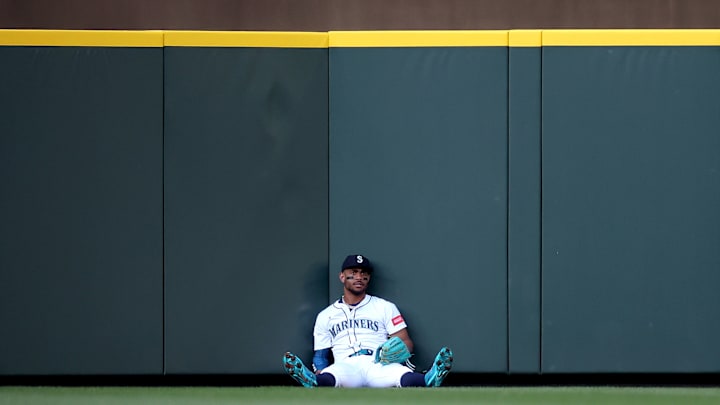
The Seattle Mariners limped across the finish line of what can only be described as a disastrous homestand, dropping five of six games to a pair of American League East opponents. After being thoroughly beat down by the Toronto Blue Jays over the weekend, the Mariners had a chance to salvage some momentum against the New York Yankees in a three-game set at T-Mobile Park.
Instead, Seattle found itself outclassed, outgunned, and outplayed for the majority of the series. While they showed more fight in the final two games — battling back with flashes of resilience after looking completely lifeless in the first game — it wasn’t nearly enough to slow down the Bronx Bombers, who walked away with the series victory.
With the homestand officially in the books and little to celebrate, it’s time to take a closer look at what went right, what went wrong, and hand out some grades for the Mariners' latest series loss to the Yankees.
Mariners vs. Yankees Breakdown and Grades: Series Results
- Monday, May 12: SEA 5, NYY 11
- Tuesday, May 13: SEA 2, NYY 1
- Wednesday, May 14: SEA 2, NYY 3
Grading the Mariners’ Offense: D
For a brief moment in the series opener, it looked like the Mariners' offense might actually show some life. Seattle managed to put five runs on the board — something that, in past seasons, almost felt like an automatic ticket to victory.
Yet in this case, context matters. Those five runs can only be described as empty calories. The Yankees had already imposed their will, building a comfortable 8-3 lead before Cal Raleigh’s two-run shot in the bottom of the eighth gave the Mariners a faint pulse. Any hopes of a dramatic comeback were quickly extinguished, as the Yankees tacked on three more runs to cruise to an 11-5 victory.
That opener was as good as it would get for the Mariners’ offense. Over the next two games, Seattle managed just two runs in each contest — an output that simply isn’t going to cut it against a lineup as relentless as New York’s.
Yes, there were moments of individual brilliance. Raleigh delivered the aforementioned late homer in Game 1 and stayed competitive at the plate throughout the series. Julio Rodríguez showed flashes of the dynamic player Mariners fans know he can be. J.P. Crawford even got a chance to play the hero with a clutch walk-off single in Game 2. But these are the players you expect to step up. They’re the core and the faces of the franchise.
J.P. ! J.P. ! J.P. ! J.P. ! #TridentsUp pic.twitter.com/TeDGalCt9I
— Seattle Mariners (@Mariners) May 14, 2025
The bigger problem lies with the supporting cast — who went missing when the Mariners needed them the most. Outside of the big three, Seattle got pretty much nothing from the rest of the lineup. Sluggish at-bats, weak contact, and an inability to deliver in key moments plagued them all series long. When the offensive attack is resting on those three, it places an unsustainable burden on a lineup that already lacks margin for error — especially with a pitching staff that’s hanging by a thread.
If the Mariners hope to stay afloat, they’ll need much more from the bottom half of the order. Otherwise these games will pile up along with more losses.
Grading the Mariners’ Defense: C
Defensively, the Mariners were very close to walking away with another gut-wrenching sweep at the hands of the Yankees — and it all came down to a single play that could have defined the entire series.
For the most part, Seattle played clean, fundamental defense throughout all three games. They turned routine plays into outs, limited extra-base hits, and generally gave their pitching staff a fighting chance. Even Rodríguez almost bumped this grade back up to a B after robbing a home run at the beginning of Game 3.
ARE YOU KIDDING @JRODshow44 🤯 pic.twitter.com/rNPZYnP9kg
— Seattle Mariners (@Mariners) May 14, 2025
But we can't ignore the ninth inning of Game 2. With Andrés Muñoz on the mound trying to lock down a 1-0 victory, the Mariners needed just two more outs to secure the win. A check-swing tapper off the bat of Anthony Volpe rolled softly toward Dylan Moore, who had a clear shot to cut down Pablo Reyes trying to score from third. It was a bang-bang play, and one Moore had to make. Instead, his throw sailed wide, allowing the Yankees to tie the game and take the life out of T-Mobile Park.
Thankfully, Crawford came to the rescue in extras with a walk-off single. But that misfire felt like a snapshot of why this team continues to fall just short of being considered among baseball’s elite. Championship-caliber teams close the door on plays like that. They execute in the biggest moments when every inch matters.
The Mariners didn’t, and it nearly cost them the game — and the series. To their credit, the defense rebounded from that mistake and didn’t let it spiral into something worse. But when you’re a team fighting to stay on top of the division, you simply can’t afford to give opponents extra outs, especially in low-scoring battles against elite contenders.
Grading the Mariners’ Pitching: C
Let’s be honest, when you give up 11 runs in a single game, you’re automatically digging yourself into a grading hole. That alone caps this unit at a C at best, no matter what follows.
It was Emerson Hancock who took the ball in the series opener, and for four innings, he looked like he might be ready to rise to the occasion. He navigated a dangerous Yankees lineup with grit, giving fans hope that he could deliver a statement outing. But the wheels fell off in the fifth. New York’s offense, relentless as ever, pounced on the righty for six runs in that frame.
By the time Hancock exited, his line read five innings, seven earned runs, and eight hits allowed — an outing that unraveled far too quickly after such a solid start.
To Hancock’s credit, this wasn’t a case of him being completely overmatched. He worked around strong hitters, got soft contact at times, and showed flashes of why the Mariners still believe in his long-term potential. But pitching to contact against a lineup like the Yankees' is a dangerous game, and eventually, they made him pay for it.
Fortunately for Seattle, the final two games of the series told a very different story on the mound. Bryan Woo was nothing short of brilliant in Game 2, spinning 6.1 shutout innings with six strikeouts and just four hits allowed.
The Woo. pic.twitter.com/qoAXjJxZMd
— Seattle Mariners (@Mariners) May 14, 2025
Luis Castillo followed Woo’s lead in the series finale, delivering another gritty, ace-like outing. Castillo worked six strong innings, allowing just one earned run and giving the Mariners every chance to steal the series. It was exactly the response Seattle needed from their top two healthy arms.
And that’s the key word here — healthy. With Bryce Miller becoming the latest starter to hit the injured list, joining George Kirby and Logan Gilbert, the rotation is torn to pieces.
The Mariners desperately need Castillo and Woo to continue stepping up like this if they have any hope of staying afloat in the AL West. The margin for error is razor-thin right now, and Seattle simply can’t afford more blowups until reinforcements arrive. It's going to be a test of endurance and resilience for this patchwork rotation. If this series was any indication, Woo and Castillo are ready for the challenge.
Grading the Mariners’ Strategy: B
You almost have to feel bad for Mariners manager Dan Wilson. Because quite frankly, the man can’t catch a break. It’s hard to find much fault in the way he managed this series. He played the hand he was dealt, and while the results didn’t go Seattle’s way, the process behind his decisions was sound.
Wilson pressed the right buttons with the arms he had available. He deployed the correct bullpen options based on recent workload and performance trends. But the baseball gods had no interest in rewarding him for making the right calls. Lefty Gabe Speier had been nothing short of lights-out in recent weeks. Sending him out in Game 3 with a one-run lead felt like the textbook move — right up until Speier’s first pitch was hammered by Paul Goldschmidt into the seats, blowing a save and crushing Seattle’s hopes.
Was there a better option? Maybe. But at that moment it probably would’ve been Matt Brash, who’s still easing back from injury and had annihilated Aaron Judge the night before. The next man up was Carlos Vargas, a solid flamethrower but not exactly a match in a staredown with Judge. He took a home run on his chin for his efforts.
Wilson didn’t have much choice and, while the result wasn’t pretty, it was hard to blame the manager for playing the percentages. He faced similar constraints with the lineup, with Crawford scratched from Game 3. By the time the later innings arrived, they had little room for situational moves or pinch-hit matchups. Again, not really something you can pin on Wilson.
In the end, this was a series where the Mariners' manager made the best of what he had — and what he had wasn’t enough. The team gets a much-needed day off to regroup before heading south for a three-game weekend showdown with the San Diego Padres.
And this isn’t just any series — it’s now the official battle for The Vedder Cup, a nod to Pearl Jam frontman and former San Diego resident Eddie Vedder, who also happened to spend time living in San Diego and Seattle. What started as a fan-created rivalry has since taken on a life of its own, and starting Friday, May 16, the two clubs will square off in this quirky, cross-city bragging rights battle at Petco Park.
 Add us as a preferred source on Google