%20%20--%3E%0A%3Csvg%20version%3D%221.1%22%20xmlns%3D%22http%3A%2F%2Fwww.w3.org%2F2000%2Fsvg%22%20xmlns%3Axlink%3D%22http%3A%2F%2Fwww.w3.org%2F1999%2Fxlink%22%20x%3D%220px%22%20y%3D%220px%22%0A%09%20viewBox%3D%220%200%20827.4%20200%22%20style%3D%22enable-background%3Anew%200%200%20827.4%20200%3B%22%20xml%3Aspace%3D%22preserve%22%3E%0A%3Cstyle%20type%3D%22text%2Fcss%22%3E%0A%09.st0%7Bfill%3A%23231F20%3B%7D%0A%09.st1%7Bfill%3A%230C2C56%3B%7D%0A%09.st2%7Bfill%3A%234D4D4D%3B%7D%0A%09.st3%7Bfill%3A%23FFFFFF%3B%7D%0A%09.st4%7Bfill%3A%230F9AA3%3B%7D%0A%09.st5%7Bfill%3A%23001C43%3B%7D%0A%3C%2Fstyle%3E%0A%3Cg%20id%3D%22Template%22%3E%0A%3C%2Fg%3E%0A%3Cg%20id%3D%22Layer_2%22%3E%0A%09%3Cpath%20class%3D%22st3%22%20d%3D%22M70.4%2C94.8C63.3%2C90%2C55%2C87%2C45.3%2C85.7c-7.7-1-11.8-3.1-13.1-4.7c-0.6-0.7-1.6-1.9%2C0.3-5.3%0A%09%09c1.9-3.2%2C7.7-3.9%2C12.2-3.9c5.1%2C0%2C8.9%2C1.2%2C12.6%2C3.8c4.3%2C3.1%2C9.5%2C2.9%2C13-0.7l5.1-5.1c2.1-2.1%2C3.2-4.9%2C3.1-7.7%0A%09%09c-0.1-2.8-1.4-5.3-3.7-7.2c-3.6-2.8-6.9-4.8-10.6-6.4c-5.9-2.5-13.8-3.7-23.5-3.7c-9.1%2C0-17.9%2C3-26.2%2C8.9%0A%09%09c-8.7%2C6.3-13.2%2C14.7-13.2%2C25c0%2C11.6%2C4.1%2C19.8%2C12.1%2C24.7c7.2%2C4.3%2C15.3%2C7%2C24%2C8c9.6%2C0.9%2C12.9%2C3.3%2C14%2C5.2c1.5%2C2.6%2C1.5%2C4.9%2C0%2C7.5%0A%09%09c-1.6%2C2.7-6.5%2C4.1-13.3%2C3.8c-6.9-0.3-12.3-2-16.9-5.3c-4.3-3.1-9.5-2.8-12.9%2C0.7l-5.2%2C5.1c-2.2%2C2.2-3.3%2C5-3.1%2C7.9%0A%09%09c0.2%2C2.8%2C1.6%2C5.4%2C4%2C7.2c3.7%2C2.9%2C7.4%2C5%2C12%2C7c6.8%2C2.9%2C15.3%2C4.4%2C25.4%2C4.4c10.8%2C0%2C20.4-3.3%2C28.6-9.8c8.5-6.6%2C12.8-14.7%2C12.8-24.1%0A%09%09C82.7%2C109.1%2C78.5%2C100.3%2C70.4%2C94.8z%22%2F%3E%0A%09%3Cpath%20class%3D%22st3%22%20d%3D%22M142.6%2C44.8c-15.6%2C0-28.8%2C5.3-39.2%2C15.8C92.9%2C71.1%2C87.6%2C84.3%2C87.6%2C99.9c0%2C15.5%2C5.3%2C28.7%2C15.8%2C39.2%0A%09%09c10.5%2C10.5%2C23.7%2C15.8%2C39.2%2C15.8s28.8-5.3%2C39.2-15.8c10.5-10.5%2C15.8-23.7%2C15.8-39.2c0-15.6-5.3-28.8-15.8-39.2%0A%09%09C171.4%2C50.1%2C158.2%2C44.8%2C142.6%2C44.8z%20M161.9%2C120c-5%2C5.3-11.2%2C7.9-19.2%2C7.9c-8%2C0-14.3-2.6-19.3-7.9c-5-5.4-7.4-12-7.4-20.1%0A%09%09c0-8.1%2C2.4-14.7%2C7.4-20.1c5-5.3%2C11.2-7.9%2C19.2-7.9c8%2C0%2C14.3%2C2.6%2C19.3%2C7.9c5%2C5.4%2C7.4%2C12%2C7.4%2C20.1C169.2%2C108%2C166.8%2C114.6%2C161.9%2C120z%22%0A%09%09%2F%3E%0A%09%3Cpath%20class%3D%22st3%22%20d%3D%22M248.3%2C44.8H215c-5.7%2C0-10%2C4.3-10%2C10v90.2c0%2C5.7%2C4.3%2C10%2C10%2C10h33.3c33.8%2C0%2C51.6-19%2C51.6-55%0A%09%09C299.9%2C63.8%2C282.1%2C44.8%2C248.3%2C44.8z%20M248.3%2C126.5h-14.9V73.3h14.9c15.9%2C0%2C23.2%2C8.5%2C23.2%2C26.6C271.5%2C118.1%2C264.1%2C126.5%2C248.3%2C126.5z%0A%09%09%22%2F%3E%0A%09%3Cpath%20class%3D%22st3%22%20d%3D%22M362.3%2C44.8c-15.6%2C0-28.8%2C5.3-39.2%2C15.8c-10.5%2C10.5-15.8%2C23.7-15.8%2C39.2c0%2C15.5%2C5.3%2C28.7%2C15.8%2C39.2%0A%09%09c10.5%2C10.5%2C23.7%2C15.8%2C39.2%2C15.8c15.6%2C0%2C28.8-5.3%2C39.2-15.8c10.5-10.5%2C15.8-23.7%2C15.8-39.2c0-15.6-5.3-28.8-15.8-39.2%0A%09%09C391.1%2C50.1%2C377.9%2C44.8%2C362.3%2C44.8z%20M381.5%2C120c-5%2C5.3-11.2%2C7.9-19.2%2C7.9c-8%2C0-14.3-2.6-19.3-7.9c-5-5.4-7.4-12-7.4-20.1%0A%09%09c0-8.1%2C2.4-14.7%2C7.4-20.1c5-5.3%2C11.2-7.9%2C19.2-7.9c8%2C0%2C14.3%2C2.6%2C19.3%2C7.9c5%2C5.4%2C7.4%2C12%2C7.4%2C20.1C388.9%2C108%2C386.5%2C114.6%2C381.5%2C120z%22%0A%09%09%2F%3E%0A%09%3Cpath%20class%3D%22st4%22%20d%3D%22M548.3%2C44.8c-2.6%2C0-4.9%2C1.1-6.7%2C3l-39.8%2C45.3L462%2C47.8c-1.7-1.9-4.1-3-6.7-3h-1.3c-4.2%2C0-7.3%2C4.2-7.3%2C10v90.1%0A%09%09c0%2C5.7%2C4.3%2C10%2C10%2C10h8.5c5.7%2C0%2C10-4.3%2C10-10v-42.8l19%2C21.2c2%2C2.2%2C4.7%2C3.5%2C7.6%2C3.5s5.6-1.2%2C7.6-3.5l19-21.2l0.1%2C42.9%0A%09%09c0%2C5.7%2C4.3%2C10%2C10%2C10h8.5c5.7%2C0%2C10-4.3%2C10-10V54.8C556.9%2C49.1%2C553.2%2C44.8%2C548.3%2C44.8z%22%2F%3E%0A%09%3Cpath%20class%3D%22st4%22%20d%3D%22M674.4%2C99.8c0-15.6-5.3-28.8-15.8-39.2c-10.5-10.5-23.7-15.8-39.2-15.8c-15.6%2C0-28.8%2C5.3-39.2%2C15.8%0A%09%09c-10.5%2C10.5-15.8%2C23.7-15.8%2C39.2c0%2C15.5%2C5.3%2C28.7%2C15.8%2C39.2c10.5%2C10.5%2C23.7%2C15.8%2C39.2%2C15.8c15.6%2C0%2C28.8-5.3%2C39.2-15.8%0A%09%09C669.1%2C128.6%2C674.4%2C115.4%2C674.4%2C99.8z%20M638.6%2C119.9c-5%2C5.3-11.2%2C7.9-19.2%2C7.9c-8%2C0-14.3-2.6-19.3-7.9c-5-5.4-7.4-12-7.4-20.1%0A%09%09c0-8.1%2C2.4-14.7%2C7.4-20.1c5-5.3%2C11.2-7.9%2C19.2-7.9c8%2C0%2C14.3%2C2.6%2C19.3%2C7.9c5%2C5.4%2C7.4%2C12%2C7.4%2C20.1C645.9%2C108%2C643.5%2C114.5%2C638.6%2C119.9%0A%09%09z%22%2F%3E%0A%09%3Cpath%20class%3D%22st4%22%20d%3D%22M811.6%2C60.6c-10.5-10.5-23.7-15.8-39.2-15.8c-15.6%2C0-28.8%2C5.3-39.2%2C15.8c-10.5%2C10.5-15.8%2C23.7-15.8%2C39.2%0A%09%09c0%2C15.5%2C5.3%2C28.7%2C15.8%2C39.2c10.5%2C10.5%2C23.7%2C15.8%2C39.2%2C15.8c15.6%2C0%2C28.8-5.3%2C39.2-15.8c10.5-10.5%2C15.8-23.7%2C15.8-39.2%0A%09%09C827.4%2C84.3%2C822.1%2C71.1%2C811.6%2C60.6z%20M791.6%2C119.9c-5%2C5.3-11.2%2C7.9-19.2%2C7.9c-8%2C0-14.3-2.6-19.3-7.9c-5-5.4-7.4-12-7.4-20.1%0A%09%09c0-8.1%2C2.4-14.7%2C7.4-20.1c5-5.3%2C11.2-7.9%2C19.2-7.9c8%2C0%2C14.3%2C2.6%2C19.3%2C7.9c5%2C5.4%2C7.4%2C12%2C7.4%2C20.1C799%2C108%2C796.5%2C114.5%2C791.6%2C119.9z%22%0A%09%09%2F%3E%0A%09%3Cpath%20class%3D%22st4%22%20d%3D%22M700%2C44.8h-8.3c-5.7%2C0-10%2C4.3-10%2C10l0.1%2C87.6v9.4c0%2C7.5-2.9%2C10.8-9.7%2C11l-0.8%2C0v-4.5c0-1.3-0.7-2.6-1.7-3.1%0A%09%09c-0.3-0.2-0.7-0.3-1.1-0.3c-0.7%2C0-1.4%2C0.3-1.9%2C0.9l-16.2%2C19c-0.5%2C0.6-0.8%2C1.5-0.8%2C2.4s0.3%2C1.8%2C0.8%2C2.4l16.2%2C19%0A%09%09c0.5%2C0.6%2C1.2%2C0.9%2C1.9%2C0.9c0.4%2C0%2C0.7-0.1%2C1.1-0.3c1-0.5%2C1.7-1.7%2C1.7-3.1v-6.6h7.9c8.9%2C0%2C16.4-2.9%2C22.2-8.7l0%2C0%0A%09%09c5.7-5.7%2C8.6-13.3%2C8.6-22.5l0-16.2V54.8C710%2C49.1%2C705.7%2C44.8%2C700%2C44.8z%22%2F%3E%0A%3C%2Fg%3E%0A%3C%2Fsvg%3E%0A)

The Seattle Mariners managed to salvage a win in their three-game set against the Los Angeles Angels, avoiding what would’ve been a second consecutive series sweep. Yet while Sunday’s gritty win offered a few feel-good moments, it did little to mask the growing concerns around the team.
Seattle is now mired in its worst stretch of the season, having lost 11 of its last 16 games. The momentum that once put them atop the division has vanished, and with a brutal schedule ahead — including a tough road series in Arizona — things could get worse before they get better.
As the Mariners prepare to take on the Diamondbacks at Chase Field, let’s break down what went right, what went wrong, and what it all means following their latest series against the Angels.
Mariners vs. Angels Breakdown and Grades: Series Results
- Friday, June 6: SEA 4, LAA 5
- Saturday, June 7: SEA 6, LAA 8
- Sunday, June 8: SEA 3, LAA 2
Grading the Mariners’ Offense: C
The Mariners offense has been a riddle all season, with flashes of production followed by long lulls in execution. Their latest series was no exception. While there were finally signs of life beyond catcher Cal Raleigh, the overall performance still left much to be desired.
Yes, Raleigh did what he does best: mash. He launched two home runs and drove in four runs in the second game of this three-game set, a performance that would normally be enough to tip the scales. But the Mariners once again squandered his monster outing, failing to capitalize in key moments and ultimately losing the game. It was a tough pill to swallow given that this has been arguably the most impactful offensive performance from a catcher anyone has seen in the first half of an MLB season — certainly the best from any Mariners backstop in recent memory.
Outside of Raleigh, the lineup did show some encouraging signs. Jorge Polanco quietly put together a four-hit series, showing glimpses of coming out of his most recent slump. Randy Arozarena made his presence felt with six hits in the final two games. Rookie Cole Young had a breakthrough after struggling to get acclimated at the plate as he notched his first career multi-hit game in Game 2 and added another knock in the finale.
Cole Young gets one back 👏 #TridentsUp pic.twitter.com/mXJgTfmYSH
— Seattle Mariners (@Mariners) June 8, 2025
Despite tallying 33 hits — 13 more than the Angels, the Mariners managed just 13 runs. The biggest problem? Runners in scoring position. The team repeatedly failed to get the timely hit, stranding traffic and letting potential rallies fizzle out. There was a glaring power outage in the Mariners lineup outside of Raleigh, who sat out the finale. The Mariners shifted to more of a contact approach, shortening their swings and spraying the ball around the field rather than slugging, but it wasn’t enough.
In the end, the Mariners’ offense earns a C — not for a lack of effort or total production, but for the missed chances and continued issues in clutch situations.
Grading the Mariners’ Defense: D
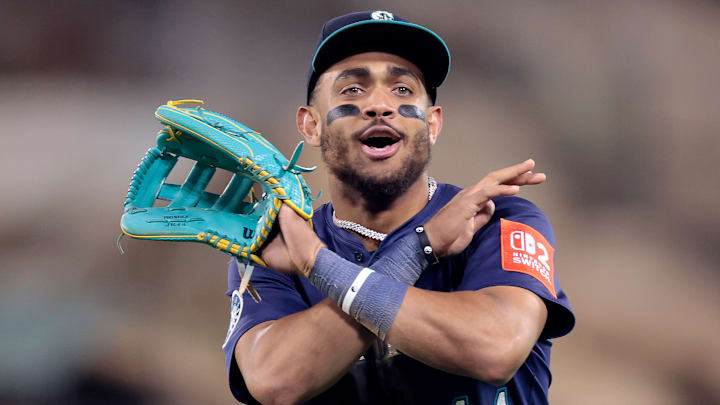
Julio Rodríguez gave the Mariners a viral moment with his gravity-defying home run robbery — an early candidate for catch of the year that lit up highlight reels and social media feeds alike. But as jaw-dropping as that single play was, it served only as a distraction from a defensive performance that cost Seattle dearly in this series.
JULIO BRINGS IT BACK!
— Seattle Mariners (@Mariners) June 7, 2025
🙅♂️ https://t.co/Q16mvWsAww 🙅♂️ pic.twitter.com/4Z8QrqqCoA
Rodríguez’s brilliance couldn't cover up what turned out to be a fundamentally shaky showing from a team that typically prides itself on clean, efficient defense. In fact, despite his heroics, the defensive unit was flat-out sloppy — committing three errors across the series, including two from players who are usually seen as steady hands.
Ben Williamson, who was otherwise superb in the finale with several standout plays, made a key miscue that undercut his effort. And Leody Taveras, filling in for the injured Rodríguez in center field during Game 2, had a moment we’re sure he’d want to forget. Taveras dropped a deep fly ball — albeit with some degree of difficulty — that allowed the Angels to tie the game at 4 in the bottom of the third. It's a play he makes 99 times out of 100, and that one mistake shifted the momentum at a critical juncture.
The Mariners defense has never been known for being the flashiest or most athletic in the league, but they’ve typically compensated with crisp fundamentals and smart play. That identity was nowhere to be found in this series. Instead of being the reliable unit that helps their pitching staff navigate tight contests, they became part of the problem — extending innings, gifting runs, and failing to make clean plays in big moments.
Even with Williamson’s defensive highlights and a classic Rodríguez viral moment, the defensive miscues proved far more impactful.
Grading the Mariners’ Pitching: C-
The Mariners' pitching staff flirted with disaster for much of this series, but a sensational finale helped salvage both the team’s dignity and their grade. While a C- doesn’t scream “winning baseball,” it’s a far cry from the failing mark they were headed toward before George Kirby, Matt Brash, and Andrés Muñoz stepped in to save the day.
Let’s start with the good. George Kirby delivered a masterclass in the series finale, striking out a career-high 14 batters over seven innings of two-hit, two-run baseball. It was just his fourth start of the season, and already he looks like he’s ready to approach midseason form. His fastball command, ability to change speeds, and vintage surgical efficiency had the Angels guessing all day. It was the kind of performance that reminds you why the Mariners view him as another franchise cornerstone in their loaded starting rotation.
George Kirby's 14 strikeouts and 0 walks mark the first time an @Mariners pitcher has recorded 14+ strikeouts without a walk since Randy Johnson (19 SO, 0 BB on 6/24/97 vs. OAK). https://t.co/1GemSBdHcC
— Mariners PR (@MarinersPR) June 8, 2025
Kirby handed the baton to the bullpen’s A-team, and they did not disappoint. Brash worked a clean 8th, and Muñoz slammed the door in the 9th, combining with Kirby for what may be the Mariners’ ideal blueprint: a dominant starter going seven, followed by Brash and Muñoz locking it down. It was clinical, fun to watch, and it helped end Seattle’s losing streak while avoiding what would have been a second consecutive series sweep.
Unfortunately, outside of that sparkling showing, the staff struggled. Luis Castillo had one of his “off” nights — the kind fans have come to expect every few turns. For every stretch of two or three quality outings, Castillo tends to throw in a clunker, and this series was no exception. He was knocked around early and often, never quite settling in.
Then came Bryce Miller, who was making his second start since returning from elbow inflammation. The rust is still evident. He looked solid through his first two innings, but ultimately surrendered five runs over five frames. Under normal circumstances, the outing might be considered a gritty return to form. But without enough run support and with the Mariners already behind the eight ball, the loss stung more than it should’ve.
All told, the staff allowed too many crooked innings early in the series and put pressure on an offense that’s still searching for its identity.
Grading the Mariners’ Strategy: D
Sometimes, strategy is about more than numbers. It's about timing, rhythm, and reading the room — or in this case, the dugout. For Mariners manager Dan Wilson and pitching coach Pete Woodworth, this series offered a harsh lesson in the limits of over-relying on analytics and misjudging bullpen usage.
The Mariners’ strategic missteps started early in the series and carried through, culminating in a head-scratching series of decisions that played a direct role in the team dropping two out of three to the Angels.
Let’s start with Jackson Kowar. Since his return to the majors, Kowar had looked strong — efficient, confident, and clearly benefiting from the reset following Tommy John surgery. He pitched a clean sixth inning in the opener and looked poised to carve out a bigger role in a heavily taxed bullpen. Eduard Bazardo also gave Seattle two clean frames to close out Game 1, giving the ‘pen a breather.
That should’ve been a cue to proceed with caution. But in the second game, Wilson threw Kowar back out there in a back-to-back scenario — a first for the hard throwing righty this season, and something rarely advised for any pitcher returning from major elbow surgery. The decision certainly didn’t go unnoticed, and by the end of Kowar’s appearance — three walks, one run, and just two outs — it was clear that the gamble had failed. He didn’t look like the same pitcher. His command was scattered and he resembled someone not fully recovered from the night before.
That wasn’t the only instance where the Mariners’ staff let the numbers get in the way of the moment. With the first game on the line and Williamson sitting at 2-for-3 on the night, Wilson made the decision to pinch-hit Miles Mastrobuoni in the ninth inning. Yes, Mastrobuoni is a lefty and theoretically had the platoon advantage against the right-handed closer Kenley Jansen. But sometimes, you have to let your hottest hands ride. Williamson had been one of only two players with multiple hits in that game and had clearly seen the ball well all night. Removing him in favor of a marginal matchup play may have been by the book — but it disregarded the feel of the game.
There’s nothing wrong with leaning into analytics. In fact, it’s often necessary in today’s game. But managing by numbers alone — without factoring in momentum, confidence, or simple observation — can make even good decisions feel hollow. This series felt like one of those times.
The Mariners earn a D for strategy. Between the questionable bullpen decisions and the tendency to over-manage at the plate, this was a series that could’ve swung differently with just a little more trust in the eyes and not the spreadsheets.
As mentioned earlier, the Mariners now head straight into a three-game series against the Arizona Diamondbacks beginning Monday night. There’s no rest for the weary, and Seattle will be tested again — this time by a D-backs squad with a volatile pitching staff but one of the most explosive offenses in baseball.
Given the Mariners' recent struggles and the stakes continuing to rise, this upcoming series won’t be for the faint of heart. But it will certainly be must-watch baseball.
 Add us as a preferred source on Google