%20%20--%3E%0A%3Csvg%20version%3D%221.1%22%20xmlns%3D%22http%3A%2F%2Fwww.w3.org%2F2000%2Fsvg%22%20xmlns%3Axlink%3D%22http%3A%2F%2Fwww.w3.org%2F1999%2Fxlink%22%20x%3D%220px%22%20y%3D%220px%22%0A%09%20viewBox%3D%220%200%20827.4%20200%22%20style%3D%22enable-background%3Anew%200%200%20827.4%20200%3B%22%20xml%3Aspace%3D%22preserve%22%3E%0A%3Cstyle%20type%3D%22text%2Fcss%22%3E%0A%09.st0%7Bfill%3A%23231F20%3B%7D%0A%09.st1%7Bfill%3A%230C2C56%3B%7D%0A%09.st2%7Bfill%3A%234D4D4D%3B%7D%0A%09.st3%7Bfill%3A%23FFFFFF%3B%7D%0A%09.st4%7Bfill%3A%230F9AA3%3B%7D%0A%09.st5%7Bfill%3A%23001C43%3B%7D%0A%3C%2Fstyle%3E%0A%3Cg%20id%3D%22Template%22%3E%0A%3C%2Fg%3E%0A%3Cg%20id%3D%22Layer_2%22%3E%0A%09%3Cpath%20class%3D%22st3%22%20d%3D%22M70.4%2C94.8C63.3%2C90%2C55%2C87%2C45.3%2C85.7c-7.7-1-11.8-3.1-13.1-4.7c-0.6-0.7-1.6-1.9%2C0.3-5.3%0A%09%09c1.9-3.2%2C7.7-3.9%2C12.2-3.9c5.1%2C0%2C8.9%2C1.2%2C12.6%2C3.8c4.3%2C3.1%2C9.5%2C2.9%2C13-0.7l5.1-5.1c2.1-2.1%2C3.2-4.9%2C3.1-7.7%0A%09%09c-0.1-2.8-1.4-5.3-3.7-7.2c-3.6-2.8-6.9-4.8-10.6-6.4c-5.9-2.5-13.8-3.7-23.5-3.7c-9.1%2C0-17.9%2C3-26.2%2C8.9%0A%09%09c-8.7%2C6.3-13.2%2C14.7-13.2%2C25c0%2C11.6%2C4.1%2C19.8%2C12.1%2C24.7c7.2%2C4.3%2C15.3%2C7%2C24%2C8c9.6%2C0.9%2C12.9%2C3.3%2C14%2C5.2c1.5%2C2.6%2C1.5%2C4.9%2C0%2C7.5%0A%09%09c-1.6%2C2.7-6.5%2C4.1-13.3%2C3.8c-6.9-0.3-12.3-2-16.9-5.3c-4.3-3.1-9.5-2.8-12.9%2C0.7l-5.2%2C5.1c-2.2%2C2.2-3.3%2C5-3.1%2C7.9%0A%09%09c0.2%2C2.8%2C1.6%2C5.4%2C4%2C7.2c3.7%2C2.9%2C7.4%2C5%2C12%2C7c6.8%2C2.9%2C15.3%2C4.4%2C25.4%2C4.4c10.8%2C0%2C20.4-3.3%2C28.6-9.8c8.5-6.6%2C12.8-14.7%2C12.8-24.1%0A%09%09C82.7%2C109.1%2C78.5%2C100.3%2C70.4%2C94.8z%22%2F%3E%0A%09%3Cpath%20class%3D%22st3%22%20d%3D%22M142.6%2C44.8c-15.6%2C0-28.8%2C5.3-39.2%2C15.8C92.9%2C71.1%2C87.6%2C84.3%2C87.6%2C99.9c0%2C15.5%2C5.3%2C28.7%2C15.8%2C39.2%0A%09%09c10.5%2C10.5%2C23.7%2C15.8%2C39.2%2C15.8s28.8-5.3%2C39.2-15.8c10.5-10.5%2C15.8-23.7%2C15.8-39.2c0-15.6-5.3-28.8-15.8-39.2%0A%09%09C171.4%2C50.1%2C158.2%2C44.8%2C142.6%2C44.8z%20M161.9%2C120c-5%2C5.3-11.2%2C7.9-19.2%2C7.9c-8%2C0-14.3-2.6-19.3-7.9c-5-5.4-7.4-12-7.4-20.1%0A%09%09c0-8.1%2C2.4-14.7%2C7.4-20.1c5-5.3%2C11.2-7.9%2C19.2-7.9c8%2C0%2C14.3%2C2.6%2C19.3%2C7.9c5%2C5.4%2C7.4%2C12%2C7.4%2C20.1C169.2%2C108%2C166.8%2C114.6%2C161.9%2C120z%22%0A%09%09%2F%3E%0A%09%3Cpath%20class%3D%22st3%22%20d%3D%22M248.3%2C44.8H215c-5.7%2C0-10%2C4.3-10%2C10v90.2c0%2C5.7%2C4.3%2C10%2C10%2C10h33.3c33.8%2C0%2C51.6-19%2C51.6-55%0A%09%09C299.9%2C63.8%2C282.1%2C44.8%2C248.3%2C44.8z%20M248.3%2C126.5h-14.9V73.3h14.9c15.9%2C0%2C23.2%2C8.5%2C23.2%2C26.6C271.5%2C118.1%2C264.1%2C126.5%2C248.3%2C126.5z%0A%09%09%22%2F%3E%0A%09%3Cpath%20class%3D%22st3%22%20d%3D%22M362.3%2C44.8c-15.6%2C0-28.8%2C5.3-39.2%2C15.8c-10.5%2C10.5-15.8%2C23.7-15.8%2C39.2c0%2C15.5%2C5.3%2C28.7%2C15.8%2C39.2%0A%09%09c10.5%2C10.5%2C23.7%2C15.8%2C39.2%2C15.8c15.6%2C0%2C28.8-5.3%2C39.2-15.8c10.5-10.5%2C15.8-23.7%2C15.8-39.2c0-15.6-5.3-28.8-15.8-39.2%0A%09%09C391.1%2C50.1%2C377.9%2C44.8%2C362.3%2C44.8z%20M381.5%2C120c-5%2C5.3-11.2%2C7.9-19.2%2C7.9c-8%2C0-14.3-2.6-19.3-7.9c-5-5.4-7.4-12-7.4-20.1%0A%09%09c0-8.1%2C2.4-14.7%2C7.4-20.1c5-5.3%2C11.2-7.9%2C19.2-7.9c8%2C0%2C14.3%2C2.6%2C19.3%2C7.9c5%2C5.4%2C7.4%2C12%2C7.4%2C20.1C388.9%2C108%2C386.5%2C114.6%2C381.5%2C120z%22%0A%09%09%2F%3E%0A%09%3Cpath%20class%3D%22st4%22%20d%3D%22M548.3%2C44.8c-2.6%2C0-4.9%2C1.1-6.7%2C3l-39.8%2C45.3L462%2C47.8c-1.7-1.9-4.1-3-6.7-3h-1.3c-4.2%2C0-7.3%2C4.2-7.3%2C10v90.1%0A%09%09c0%2C5.7%2C4.3%2C10%2C10%2C10h8.5c5.7%2C0%2C10-4.3%2C10-10v-42.8l19%2C21.2c2%2C2.2%2C4.7%2C3.5%2C7.6%2C3.5s5.6-1.2%2C7.6-3.5l19-21.2l0.1%2C42.9%0A%09%09c0%2C5.7%2C4.3%2C10%2C10%2C10h8.5c5.7%2C0%2C10-4.3%2C10-10V54.8C556.9%2C49.1%2C553.2%2C44.8%2C548.3%2C44.8z%22%2F%3E%0A%09%3Cpath%20class%3D%22st4%22%20d%3D%22M674.4%2C99.8c0-15.6-5.3-28.8-15.8-39.2c-10.5-10.5-23.7-15.8-39.2-15.8c-15.6%2C0-28.8%2C5.3-39.2%2C15.8%0A%09%09c-10.5%2C10.5-15.8%2C23.7-15.8%2C39.2c0%2C15.5%2C5.3%2C28.7%2C15.8%2C39.2c10.5%2C10.5%2C23.7%2C15.8%2C39.2%2C15.8c15.6%2C0%2C28.8-5.3%2C39.2-15.8%0A%09%09C669.1%2C128.6%2C674.4%2C115.4%2C674.4%2C99.8z%20M638.6%2C119.9c-5%2C5.3-11.2%2C7.9-19.2%2C7.9c-8%2C0-14.3-2.6-19.3-7.9c-5-5.4-7.4-12-7.4-20.1%0A%09%09c0-8.1%2C2.4-14.7%2C7.4-20.1c5-5.3%2C11.2-7.9%2C19.2-7.9c8%2C0%2C14.3%2C2.6%2C19.3%2C7.9c5%2C5.4%2C7.4%2C12%2C7.4%2C20.1C645.9%2C108%2C643.5%2C114.5%2C638.6%2C119.9%0A%09%09z%22%2F%3E%0A%09%3Cpath%20class%3D%22st4%22%20d%3D%22M811.6%2C60.6c-10.5-10.5-23.7-15.8-39.2-15.8c-15.6%2C0-28.8%2C5.3-39.2%2C15.8c-10.5%2C10.5-15.8%2C23.7-15.8%2C39.2%0A%09%09c0%2C15.5%2C5.3%2C28.7%2C15.8%2C39.2c10.5%2C10.5%2C23.7%2C15.8%2C39.2%2C15.8c15.6%2C0%2C28.8-5.3%2C39.2-15.8c10.5-10.5%2C15.8-23.7%2C15.8-39.2%0A%09%09C827.4%2C84.3%2C822.1%2C71.1%2C811.6%2C60.6z%20M791.6%2C119.9c-5%2C5.3-11.2%2C7.9-19.2%2C7.9c-8%2C0-14.3-2.6-19.3-7.9c-5-5.4-7.4-12-7.4-20.1%0A%09%09c0-8.1%2C2.4-14.7%2C7.4-20.1c5-5.3%2C11.2-7.9%2C19.2-7.9c8%2C0%2C14.3%2C2.6%2C19.3%2C7.9c5%2C5.4%2C7.4%2C12%2C7.4%2C20.1C799%2C108%2C796.5%2C114.5%2C791.6%2C119.9z%22%0A%09%09%2F%3E%0A%09%3Cpath%20class%3D%22st4%22%20d%3D%22M700%2C44.8h-8.3c-5.7%2C0-10%2C4.3-10%2C10l0.1%2C87.6v9.4c0%2C7.5-2.9%2C10.8-9.7%2C11l-0.8%2C0v-4.5c0-1.3-0.7-2.6-1.7-3.1%0A%09%09c-0.3-0.2-0.7-0.3-1.1-0.3c-0.7%2C0-1.4%2C0.3-1.9%2C0.9l-16.2%2C19c-0.5%2C0.6-0.8%2C1.5-0.8%2C2.4s0.3%2C1.8%2C0.8%2C2.4l16.2%2C19%0A%09%09c0.5%2C0.6%2C1.2%2C0.9%2C1.9%2C0.9c0.4%2C0%2C0.7-0.1%2C1.1-0.3c1-0.5%2C1.7-1.7%2C1.7-3.1v-6.6h7.9c8.9%2C0%2C16.4-2.9%2C22.2-8.7l0%2C0%0A%09%09c5.7-5.7%2C8.6-13.3%2C8.6-22.5l0-16.2V54.8C710%2C49.1%2C705.7%2C44.8%2C700%2C44.8z%22%2F%3E%0A%3C%2Fg%3E%0A%3C%2Fsvg%3E%0A)

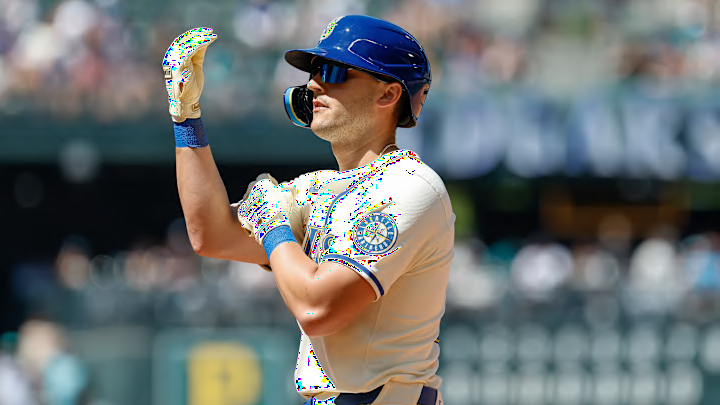
The Seattle Mariners delivered a much-needed jolt to their fanbase with a hard-fought series sweep over the Fourth of July weekend — a rare moment of satisfaction in what’s been a rollercoaster season. For once, the off-day that followed wasn’t met with frustration, but with a well-earned exhale. No late-game collapse, just three straight wins and a moment of calm for Mariners fans to actually enjoy.
But as with anything involving this team, the details tell a more complicated story. It wasn’t all fireworks and celebrations. This final homestand before the All-Star break against the Pittsburgh Pirates was far from a clean sweep on paper.
With that in mind, let’s take a closer look at how the M’s pulled it off — and hand out some honest grades for their performance.
Mariners vs. Pirates Breakdown and Grades: Series Results
- Friday, July 4: SEA 6, PIT 0
- Saturday, July 5: SEA 1, PIT 0
- Sunday, July 6: SEA 1, PIT 0
Grading the Mariners’ Offense: D
Yes, the Mariners walked away with a sweep over the Pirates — but don’t let the final results distract from the harsh truth. The offense was underwhelming. Just because the pitching staff was expected to go toe-to-toe against Pittsburgh’s top-10-ranked arms doesn’t mean the bats get a free pass. Seattle managed just one run in two of the three games. Far from sustainable. Winning 1-0 might feel gritty and thrilling in the moment, but it’s become an all-too-familiar formula for this club in the past. One that dangerously toes the line between tactical and lucky.
It’s the same old story: when the pitching shows up, the offense takes the night off. This series was textbook Mariners — living on the edge, squeaking out wins thanks to individual heroics rather than consistent production.
Fortunately, the team got just enough of those timely sparks to make the sweep happen. Cal Raleigh set the tone early with yet another two-homer performance in the series opener — continuing his trend of powering this offense almost single handedly. Ben Williamson chipped in with a clutch RBI double in the second game, and Randy Arozarena delivered the deciding blow in the finale with a solo shot that sealed the victory. These were big moments, no doubt. But they were moments — not momentum.
RANDY BREAKS THE TIE 💪 pic.twitter.com/bY4Cl7jm3v
— Seattle Mariners (@Mariners) July 6, 2025
The most quietly impressive contributor? Dominic Canzone. While he didn’t leave the yard, he went 4-for-5 during the series and continued to take quality at-bats. For a lineup desperate for life, Canzone’s emergence can’t be ignored. The Mariners must find a way to keep his bat in the mix — especially when the rest of the offense is so quick to go cold.
Grading the Mariners’ Defense: C
This wasn’t the cleanest series defensively for the Mariners — but it also wasn’t disastrous. There were a couple of miscues. Cole Young with an errant throw in the first game, and J.P. Crawford — usually reliable — mishandled a grounder in a moment that felt out of character. Fortunately for Seattle, the Pirates failed to take advantage of either mistake, allowing those moments to fade into the background.
On the flip side, Luke Raley is quietly turning heads at first base with some legitimately impressive glovework on Sunday. He showcased a level of athleticism not typically associated with the position — or, frankly, with the man who was splitting reps at the position before Raley returned. One standout moment came when he snagged a high throw from Crawford and still managed to apply the tag on a charging runner. It’s the kind of play that Rowdy Tellez likely doesn’t convert, and it underscored just how valuable Raley can be as a steadying presence on the right side of the infield.
Get 🆙, Luke! #TridentsUp pic.twitter.com/BG92wSWhJ5
— Seattle Mariners (@Mariners) July 6, 2025
Grading the Mariners’ Pitching: A
This is what we’re here for. This is what Mariners baseball is built on.
Over the weekend, Seattle’s rotation reminded everyone why it has been hyped as one of the most complete in the league. The starting trio of Bryan Woo, Luis Castillo, and George Kirby delivered a masterclass in pitching dominance — a three-game stretch that showcased just how dangerous this group can be when they’re firing on all cylinders:
- Game 1: Bryan Woo – 6 IP, 3 H, 0 ER, 2 BB, 8 K
- Game 2: Luis Castillo – 7 IP, 2 H, 0 ER, 0 BB, 8 K
- Game 3: George Kirby – 6.1 IP, 4 H, 0 ER, 9 K
Zero earned runs. Three straight shutdown outings. This is the dream blueprint the Mariners front office had in mind when assembling this rotation — and this weekend, it played out to perfection.
Scoreless in Seattle. #TridentsUp pic.twitter.com/TFUxu3D09Z
— Seattle Mariners (@Mariners) July 6, 2025
The bullpen followed suit. Trent Thornton tossed two clean innings in a low-leverage spot in the opener, a much needed sight while bridging the gap without a hiccup. And the second game was the ideal script for any Mariners fan. Starter goes seven, then the ball goes to Matt Brash, and finally to Andrés Muñoz. Game over. That’s the formula — and when it works, it’s lights out.
Muñoz continues to prove he’s one of the elite closers in the game. He picked up his 20th and 21st saves of the season in the series, doing so with a sparkling 1.06 ERA that only further cements his All-Star credentials. That nod became official this weekend, as Muñoz earned his second career All-Star selection — alongside Bryan Woo, who rightfully got his first. Both honors were well-deserved.
It’s fair to note the Pirates’ offense isn’t exactly a powerhouse — they rank 29th in runs scored — but dominance is still dominance. The Mariners didn’t pitch to the level of their opponent; they pitched to their own high standard. And that’s what separates good rotations from great ones.
Grading the Mariners’ Strategy: B
Credit where it’s due. The Mariners won a series they were supposed to win — and they did it without playing their cleanest brand of baseball. But when it comes to game management and situational strategy, there were still a couple of head-scratching moments worth a look.
Let’s start with the most glaring miscue — the decision to send Crawford home in the finale against Paul Skenes. With a chance to strike first, Crawford was thrown out at the plate by an absolute missile from Oneil Cruz in center field. To be clear, it was an incredible throw — highlight-reel stuff. But it was also preventable.
Oneil Cruz just threw the runner out from center field at 105.2 mph 🤯 pic.twitter.com/bX8VwFRMHc
— Pittsburgh Pirates (@Pirates) July 6, 2025
Crawford likely scores if he slides. So the question becomes: why didn’t he? And beyond that — where was the communication? Arozarena, standing on deck, had a clear view of the play unfolding. It’s a fundamental part of situational baseball to communicate with the runner, especially in a bang-bang scenario like that. Did Arozarena fail to signal? Did Crawford miss it? And does this team have a clear, practiced protocol for those moments? The Mariners pride themselves on being sharp — but this felt like a collective lapse in execution and preparation. It’s not solely on Dan Wilson, but as the manager, he has to wear some of it.
Elsewhere, another strategic wrinkle is beginning to emerge: teams are now regularly pitching around Raleigh. And why wouldn’t they? With Rodríguez still trying to find his rhythm in the two-spot, the bat behind Raleigh becomes critical. Over the weekend, Arozarena filled that cleanup role in two out of three games. Anyone who’s followed Arozarena’s career knows his bat runs hot and cold. If the Mariners are serious about protecting Raleigh and maximizing his impact, they’ll need a more reliable threat behind him.
Wilson and the coaching staff deserve props for adjusting on the fly, but as the league continues to counter Seattle’s strengths, the onus is on them to stay a step ahead. The sweep was great. The strategy? Good enough — but far from flawless.
The Mariners have a much-needed day off after playing 17 straight. They hit the road for two tough series before the All-Star break versus the New York Yankees and Detroit Tigers.
 Add us as a preferred source on Google