%20%20--%3E%0A%3Csvg%20version%3D%221.1%22%20xmlns%3D%22http%3A%2F%2Fwww.w3.org%2F2000%2Fsvg%22%20xmlns%3Axlink%3D%22http%3A%2F%2Fwww.w3.org%2F1999%2Fxlink%22%20x%3D%220px%22%20y%3D%220px%22%0A%09%20viewBox%3D%220%200%20827.4%20200%22%20style%3D%22enable-background%3Anew%200%200%20827.4%20200%3B%22%20xml%3Aspace%3D%22preserve%22%3E%0A%3Cstyle%20type%3D%22text%2Fcss%22%3E%0A%09.st0%7Bfill%3A%23231F20%3B%7D%0A%09.st1%7Bfill%3A%230C2C56%3B%7D%0A%09.st2%7Bfill%3A%234D4D4D%3B%7D%0A%09.st3%7Bfill%3A%23FFFFFF%3B%7D%0A%09.st4%7Bfill%3A%230F9AA3%3B%7D%0A%09.st5%7Bfill%3A%23001C43%3B%7D%0A%3C%2Fstyle%3E%0A%3Cg%20id%3D%22Template%22%3E%0A%3C%2Fg%3E%0A%3Cg%20id%3D%22Layer_2%22%3E%0A%09%3Cpath%20class%3D%22st3%22%20d%3D%22M70.4%2C94.8C63.3%2C90%2C55%2C87%2C45.3%2C85.7c-7.7-1-11.8-3.1-13.1-4.7c-0.6-0.7-1.6-1.9%2C0.3-5.3%0A%09%09c1.9-3.2%2C7.7-3.9%2C12.2-3.9c5.1%2C0%2C8.9%2C1.2%2C12.6%2C3.8c4.3%2C3.1%2C9.5%2C2.9%2C13-0.7l5.1-5.1c2.1-2.1%2C3.2-4.9%2C3.1-7.7%0A%09%09c-0.1-2.8-1.4-5.3-3.7-7.2c-3.6-2.8-6.9-4.8-10.6-6.4c-5.9-2.5-13.8-3.7-23.5-3.7c-9.1%2C0-17.9%2C3-26.2%2C8.9%0A%09%09c-8.7%2C6.3-13.2%2C14.7-13.2%2C25c0%2C11.6%2C4.1%2C19.8%2C12.1%2C24.7c7.2%2C4.3%2C15.3%2C7%2C24%2C8c9.6%2C0.9%2C12.9%2C3.3%2C14%2C5.2c1.5%2C2.6%2C1.5%2C4.9%2C0%2C7.5%0A%09%09c-1.6%2C2.7-6.5%2C4.1-13.3%2C3.8c-6.9-0.3-12.3-2-16.9-5.3c-4.3-3.1-9.5-2.8-12.9%2C0.7l-5.2%2C5.1c-2.2%2C2.2-3.3%2C5-3.1%2C7.9%0A%09%09c0.2%2C2.8%2C1.6%2C5.4%2C4%2C7.2c3.7%2C2.9%2C7.4%2C5%2C12%2C7c6.8%2C2.9%2C15.3%2C4.4%2C25.4%2C4.4c10.8%2C0%2C20.4-3.3%2C28.6-9.8c8.5-6.6%2C12.8-14.7%2C12.8-24.1%0A%09%09C82.7%2C109.1%2C78.5%2C100.3%2C70.4%2C94.8z%22%2F%3E%0A%09%3Cpath%20class%3D%22st3%22%20d%3D%22M142.6%2C44.8c-15.6%2C0-28.8%2C5.3-39.2%2C15.8C92.9%2C71.1%2C87.6%2C84.3%2C87.6%2C99.9c0%2C15.5%2C5.3%2C28.7%2C15.8%2C39.2%0A%09%09c10.5%2C10.5%2C23.7%2C15.8%2C39.2%2C15.8s28.8-5.3%2C39.2-15.8c10.5-10.5%2C15.8-23.7%2C15.8-39.2c0-15.6-5.3-28.8-15.8-39.2%0A%09%09C171.4%2C50.1%2C158.2%2C44.8%2C142.6%2C44.8z%20M161.9%2C120c-5%2C5.3-11.2%2C7.9-19.2%2C7.9c-8%2C0-14.3-2.6-19.3-7.9c-5-5.4-7.4-12-7.4-20.1%0A%09%09c0-8.1%2C2.4-14.7%2C7.4-20.1c5-5.3%2C11.2-7.9%2C19.2-7.9c8%2C0%2C14.3%2C2.6%2C19.3%2C7.9c5%2C5.4%2C7.4%2C12%2C7.4%2C20.1C169.2%2C108%2C166.8%2C114.6%2C161.9%2C120z%22%0A%09%09%2F%3E%0A%09%3Cpath%20class%3D%22st3%22%20d%3D%22M248.3%2C44.8H215c-5.7%2C0-10%2C4.3-10%2C10v90.2c0%2C5.7%2C4.3%2C10%2C10%2C10h33.3c33.8%2C0%2C51.6-19%2C51.6-55%0A%09%09C299.9%2C63.8%2C282.1%2C44.8%2C248.3%2C44.8z%20M248.3%2C126.5h-14.9V73.3h14.9c15.9%2C0%2C23.2%2C8.5%2C23.2%2C26.6C271.5%2C118.1%2C264.1%2C126.5%2C248.3%2C126.5z%0A%09%09%22%2F%3E%0A%09%3Cpath%20class%3D%22st3%22%20d%3D%22M362.3%2C44.8c-15.6%2C0-28.8%2C5.3-39.2%2C15.8c-10.5%2C10.5-15.8%2C23.7-15.8%2C39.2c0%2C15.5%2C5.3%2C28.7%2C15.8%2C39.2%0A%09%09c10.5%2C10.5%2C23.7%2C15.8%2C39.2%2C15.8c15.6%2C0%2C28.8-5.3%2C39.2-15.8c10.5-10.5%2C15.8-23.7%2C15.8-39.2c0-15.6-5.3-28.8-15.8-39.2%0A%09%09C391.1%2C50.1%2C377.9%2C44.8%2C362.3%2C44.8z%20M381.5%2C120c-5%2C5.3-11.2%2C7.9-19.2%2C7.9c-8%2C0-14.3-2.6-19.3-7.9c-5-5.4-7.4-12-7.4-20.1%0A%09%09c0-8.1%2C2.4-14.7%2C7.4-20.1c5-5.3%2C11.2-7.9%2C19.2-7.9c8%2C0%2C14.3%2C2.6%2C19.3%2C7.9c5%2C5.4%2C7.4%2C12%2C7.4%2C20.1C388.9%2C108%2C386.5%2C114.6%2C381.5%2C120z%22%0A%09%09%2F%3E%0A%09%3Cpath%20class%3D%22st4%22%20d%3D%22M548.3%2C44.8c-2.6%2C0-4.9%2C1.1-6.7%2C3l-39.8%2C45.3L462%2C47.8c-1.7-1.9-4.1-3-6.7-3h-1.3c-4.2%2C0-7.3%2C4.2-7.3%2C10v90.1%0A%09%09c0%2C5.7%2C4.3%2C10%2C10%2C10h8.5c5.7%2C0%2C10-4.3%2C10-10v-42.8l19%2C21.2c2%2C2.2%2C4.7%2C3.5%2C7.6%2C3.5s5.6-1.2%2C7.6-3.5l19-21.2l0.1%2C42.9%0A%09%09c0%2C5.7%2C4.3%2C10%2C10%2C10h8.5c5.7%2C0%2C10-4.3%2C10-10V54.8C556.9%2C49.1%2C553.2%2C44.8%2C548.3%2C44.8z%22%2F%3E%0A%09%3Cpath%20class%3D%22st4%22%20d%3D%22M674.4%2C99.8c0-15.6-5.3-28.8-15.8-39.2c-10.5-10.5-23.7-15.8-39.2-15.8c-15.6%2C0-28.8%2C5.3-39.2%2C15.8%0A%09%09c-10.5%2C10.5-15.8%2C23.7-15.8%2C39.2c0%2C15.5%2C5.3%2C28.7%2C15.8%2C39.2c10.5%2C10.5%2C23.7%2C15.8%2C39.2%2C15.8c15.6%2C0%2C28.8-5.3%2C39.2-15.8%0A%09%09C669.1%2C128.6%2C674.4%2C115.4%2C674.4%2C99.8z%20M638.6%2C119.9c-5%2C5.3-11.2%2C7.9-19.2%2C7.9c-8%2C0-14.3-2.6-19.3-7.9c-5-5.4-7.4-12-7.4-20.1%0A%09%09c0-8.1%2C2.4-14.7%2C7.4-20.1c5-5.3%2C11.2-7.9%2C19.2-7.9c8%2C0%2C14.3%2C2.6%2C19.3%2C7.9c5%2C5.4%2C7.4%2C12%2C7.4%2C20.1C645.9%2C108%2C643.5%2C114.5%2C638.6%2C119.9%0A%09%09z%22%2F%3E%0A%09%3Cpath%20class%3D%22st4%22%20d%3D%22M811.6%2C60.6c-10.5-10.5-23.7-15.8-39.2-15.8c-15.6%2C0-28.8%2C5.3-39.2%2C15.8c-10.5%2C10.5-15.8%2C23.7-15.8%2C39.2%0A%09%09c0%2C15.5%2C5.3%2C28.7%2C15.8%2C39.2c10.5%2C10.5%2C23.7%2C15.8%2C39.2%2C15.8c15.6%2C0%2C28.8-5.3%2C39.2-15.8c10.5-10.5%2C15.8-23.7%2C15.8-39.2%0A%09%09C827.4%2C84.3%2C822.1%2C71.1%2C811.6%2C60.6z%20M791.6%2C119.9c-5%2C5.3-11.2%2C7.9-19.2%2C7.9c-8%2C0-14.3-2.6-19.3-7.9c-5-5.4-7.4-12-7.4-20.1%0A%09%09c0-8.1%2C2.4-14.7%2C7.4-20.1c5-5.3%2C11.2-7.9%2C19.2-7.9c8%2C0%2C14.3%2C2.6%2C19.3%2C7.9c5%2C5.4%2C7.4%2C12%2C7.4%2C20.1C799%2C108%2C796.5%2C114.5%2C791.6%2C119.9z%22%0A%09%09%2F%3E%0A%09%3Cpath%20class%3D%22st4%22%20d%3D%22M700%2C44.8h-8.3c-5.7%2C0-10%2C4.3-10%2C10l0.1%2C87.6v9.4c0%2C7.5-2.9%2C10.8-9.7%2C11l-0.8%2C0v-4.5c0-1.3-0.7-2.6-1.7-3.1%0A%09%09c-0.3-0.2-0.7-0.3-1.1-0.3c-0.7%2C0-1.4%2C0.3-1.9%2C0.9l-16.2%2C19c-0.5%2C0.6-0.8%2C1.5-0.8%2C2.4s0.3%2C1.8%2C0.8%2C2.4l16.2%2C19%0A%09%09c0.5%2C0.6%2C1.2%2C0.9%2C1.9%2C0.9c0.4%2C0%2C0.7-0.1%2C1.1-0.3c1-0.5%2C1.7-1.7%2C1.7-3.1v-6.6h7.9c8.9%2C0%2C16.4-2.9%2C22.2-8.7l0%2C0%0A%09%09c5.7-5.7%2C8.6-13.3%2C8.6-22.5l0-16.2V54.8C710%2C49.1%2C705.7%2C44.8%2C700%2C44.8z%22%2F%3E%0A%3C%2Fg%3E%0A%3C%2Fsvg%3E%0A)

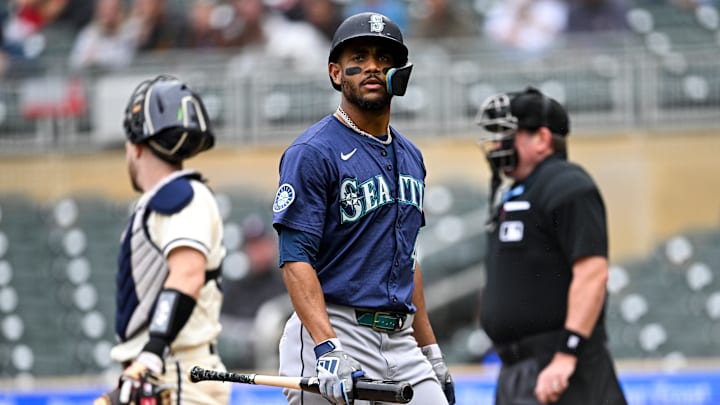
After taking down one of the National League’s best in the Chicago Cubs, the Seattle Mariners entered Minnesota with a chance to keep the momentum rolling. The Twins are beatable — not pushovers, but certainly not a team that should've stopped the Mariners in its tracks.
And yet, after exploding for 17 runs over the first two games, the Mariners' offense disappeared. They settled for a series split that, by technical standards, isn't a failure. But context matters — and in this case, it feels like a loss disguised as a draw.
It wasn’t just the cold bats in the final two games. Managerial decisions raised eyebrows, the bullpen stumbled at the end, and a few cracks in the rotation widened. In short, this wasn’t a series that left you feeling confident heading into July.
Let’s take a closer look at where the Mariners excelled, and where things downright unraveled as we break down the grades from what ended as a frustrating four-game set in Minnesota.
Mariners vs. Twins Breakdown and Grades: Series Results
- Monday, June 23: SEA 11, MIN 2
- Tuesday, June 24: SEA 6, MIN 5
- Wednesday, June 25: SEA 0, MIN 2
- Thursday, June 26: SEA 1, MIN 10
Grading the Mariners’ Offense: C+
If there’s been one defining trait of the Mariners’ 2025 offense, it’s unpredictability. And in this latest series, we got the full rollercoaster — the kind of inconsistency that’s made grading this unit a conundrum. One night, they look like a postseason powerhouse. The next, they’re completely lifeless. It’s late June, and the Mariners are still searching for an offensive identity.
That said, there were some bright spots — and they were loud. Luke Raley and Dominic Canzone once again stepped up, each going deep in the series opener. Raley and Canzone continue to prove they’re not placeholders — they’re valuable contributors. Cal Raleigh, in what’s become a historic first half, crushed his 32nd homer of the season, reinforcing his MVP case. Even Julio Rodríguez, who’s had his share of ups and downs, added his 11th long ball and showed signs of waking up.
CAL RALEIGH.
— MLB (@MLB) June 24, 2025
32 HOME RUNS. pic.twitter.com/AtcUdgGuwx
In the first two games, everything clicked. Seventeen runs poured in, and it looked like Seattle was about to blitz through this four-game set. But then came the rain — and the offensive drought. The next two games? Just one run scored. Maybe the weather and unpredictable start times played a role. Or maybe it was just one of those frustrating offensive resets we’ve seen too many times already this season.
The bottom line is that if the Mariners had kept even a flicker of that momentum, they could be walking away with a sweep. Instead, we’re left with another reminder that while this offense has the firepower, it still hasn’t found its rhythm. A "C+" feels fair — not because they’re bad, but because they’re too talented to be this inconsistent.
Grading the Mariners’ Defense: B
It was a relatively quiet series defensively — and for the most part, that’s a good thing. The Mariners played clean, fundamental baseball, avoiding the kind of costly mistakes that can swing a game. Still, it wasn’t entirely spotless. J.P. Crawford, usually the anchor of the infield, committed a rare and unexpected error in the opener.
Then there was the balk from Emerson Hancock in the final game of the series. Fortunately, didn’t come back to haunt the Mariners. These were isolated blips in an otherwise uneventful series in the field.
Julio Rodríguez had a relatively quiet showing in center, mostly because the Twins didn’t give him much to work with. It was either long balls over the wall or grounders into the dirt — not much in between. But when the Mariners were asked to make plays, they did. No highlight-reel web gems, no dramatic game-saving dives — just steady, reliable defense.
That’s why the “B” grade feels right. Not spectacular and not disastrous. Just solid.
Grading the Mariners’ Pitching: C
If the Mariners' offense gave us a tale of two lineups, the pitching staff gave us a reminder of just how thin the margins are for this team — especially when the arms aren’t firing on all cylinders.
Bryan Woo and George Kirby delivered the kind of outings that keep this rotation afloat. Woo, in particular, continues to cement his case as the most dependable arm in the rotation. He’s now 7–4 with a 3.14 ERA and 2.1 WAR, and every time he takes the mound, there’s a growing confidence that the Mariners will be in the game.
But for every solid start, there’s one that drags the grade back down — and unfortunately, that’s where Luis Castillo comes in. In the second game, Castillo unraveled for five earned runs over five innings. While this kind of outing isn’t the norm, it’s become frustratingly predictable. Every two or three strong showings seem to be followed by a clunker, and the pattern is no longer just a blip — it’s on brand for Castillo.
Castillo is still dominant when he’s on, no question. But when he’s off, it’s obvious early — and that’s where Dan Wilson could adjust. The leash can’t be as long in July and August as they enter the final stretch of the season. If Castillo doesn’t have it, pulling him early might turn it into a bullpen game — but it could also keep the Mariners competitive and prevent things from spiraling.
Speaking of the bullpen, the Mariners got a harsh reminder that Zach Pop was never the answer. No one should be confident seeing him trot out to the mound in a close game. His meltdown in the finale wasn’t a shock — if anything, it was overdue. While he’s had a few passable outings, the decision to bring him in during a tight game was questionable at best. Pop’s predictable implosion should mean that we won’t be on the roster for long.
Wally went oppo and Hit the Buds! 🔥
— Minnesota Twins (@Twins) June 26, 2025
Reply using #HitTheBuds and #MNTwinsSweepstakes for your chance to win any time a Twins player hits a home run into the bullpen!
Official rules: https://t.co/60esSjCsLz pic.twitter.com/L5skbtCcmi
Altogether, this was a series where the pitching was more shaky than steady. With Woo and Kirby holding the line, the rotation still has a strong backbone. But the cracks around them kept this group at a very deserved C.
Grading the Mariners’ Strategy: C
Wilson’s handling of Thursday’s finale left a lot to be desired — enough to cost the Mariners a full letter grade in this category, and maybe then some.
Let’s start with the lineup card. Slotting Dominic Canzone into the five-hole? That’s the kind of forward-thinking move we like to see — especially given his power. But pairing Mitch Garver and Donovan Solano in the same lineup against a right-hander while keeping Luke Raley on the bench was a head-scratcher, especially when Raley could’ve slotted in at first base. It felt less like a lineup built to win a series and more like one designed to be content with a split. Yes, winning the first two games on the road gives you that cushion. But that mindset can be dangerous.
Baseball and breakfast in the series finale... hopefully.
— Seattle Mariners (@Mariners) June 26, 2025
🌧️🤔 pic.twitter.com/sXxezTeTjT
Then came the bullpen decisions. The logic in using Zach Pop in a low-leverage spot is understandable in theory — but down 2–0 in the sixth with a chance to steal the series? That’s not the moment to wave the white flag. Especially not when you had multiple rested arms available. Eduard Bazardo and Trent Thornton had pitched the previous night, sure — but you still had Gabe Speier, Carlos Vargas, and potentially even Thornton again if needed.
What made it worse wasn’t just the decision to use Pop — it was the decision to leave him out there. Watching him get torched for seven runs wasn’t just frustrating, it was telling. It signaled a game the Mariners decided wasn’t worth fighting for before it was even close to over.
At this stage of the season, that’s the kind of passive approach that can come back to bite you. Wilson has made plenty of solid decisions this year, but Thursday’s management was not one of them. And the Mariners paid for it.
The Mariners head to Texas for a three-game series against the Rangers beginning Friday night at 5:05 P.M. It’s a key division matchup that won’t be taken lightly. And after being held to just one run in the last two games, Seattle will be more than overdue to put a crooked number on the scoreboard.
 Add us as a preferred source on Google