%20%20--%3E%0A%3Csvg%20version%3D%221.1%22%20xmlns%3D%22http%3A%2F%2Fwww.w3.org%2F2000%2Fsvg%22%20xmlns%3Axlink%3D%22http%3A%2F%2Fwww.w3.org%2F1999%2Fxlink%22%20x%3D%220px%22%20y%3D%220px%22%0A%09%20viewBox%3D%220%200%20827.4%20200%22%20style%3D%22enable-background%3Anew%200%200%20827.4%20200%3B%22%20xml%3Aspace%3D%22preserve%22%3E%0A%3Cstyle%20type%3D%22text%2Fcss%22%3E%0A%09.st0%7Bfill%3A%23231F20%3B%7D%0A%09.st1%7Bfill%3A%230C2C56%3B%7D%0A%09.st2%7Bfill%3A%234D4D4D%3B%7D%0A%09.st3%7Bfill%3A%23FFFFFF%3B%7D%0A%09.st4%7Bfill%3A%230F9AA3%3B%7D%0A%09.st5%7Bfill%3A%23001C43%3B%7D%0A%3C%2Fstyle%3E%0A%3Cg%20id%3D%22Template%22%3E%0A%3C%2Fg%3E%0A%3Cg%20id%3D%22Layer_2%22%3E%0A%09%3Cpath%20class%3D%22st3%22%20d%3D%22M70.4%2C94.8C63.3%2C90%2C55%2C87%2C45.3%2C85.7c-7.7-1-11.8-3.1-13.1-4.7c-0.6-0.7-1.6-1.9%2C0.3-5.3%0A%09%09c1.9-3.2%2C7.7-3.9%2C12.2-3.9c5.1%2C0%2C8.9%2C1.2%2C12.6%2C3.8c4.3%2C3.1%2C9.5%2C2.9%2C13-0.7l5.1-5.1c2.1-2.1%2C3.2-4.9%2C3.1-7.7%0A%09%09c-0.1-2.8-1.4-5.3-3.7-7.2c-3.6-2.8-6.9-4.8-10.6-6.4c-5.9-2.5-13.8-3.7-23.5-3.7c-9.1%2C0-17.9%2C3-26.2%2C8.9%0A%09%09c-8.7%2C6.3-13.2%2C14.7-13.2%2C25c0%2C11.6%2C4.1%2C19.8%2C12.1%2C24.7c7.2%2C4.3%2C15.3%2C7%2C24%2C8c9.6%2C0.9%2C12.9%2C3.3%2C14%2C5.2c1.5%2C2.6%2C1.5%2C4.9%2C0%2C7.5%0A%09%09c-1.6%2C2.7-6.5%2C4.1-13.3%2C3.8c-6.9-0.3-12.3-2-16.9-5.3c-4.3-3.1-9.5-2.8-12.9%2C0.7l-5.2%2C5.1c-2.2%2C2.2-3.3%2C5-3.1%2C7.9%0A%09%09c0.2%2C2.8%2C1.6%2C5.4%2C4%2C7.2c3.7%2C2.9%2C7.4%2C5%2C12%2C7c6.8%2C2.9%2C15.3%2C4.4%2C25.4%2C4.4c10.8%2C0%2C20.4-3.3%2C28.6-9.8c8.5-6.6%2C12.8-14.7%2C12.8-24.1%0A%09%09C82.7%2C109.1%2C78.5%2C100.3%2C70.4%2C94.8z%22%2F%3E%0A%09%3Cpath%20class%3D%22st3%22%20d%3D%22M142.6%2C44.8c-15.6%2C0-28.8%2C5.3-39.2%2C15.8C92.9%2C71.1%2C87.6%2C84.3%2C87.6%2C99.9c0%2C15.5%2C5.3%2C28.7%2C15.8%2C39.2%0A%09%09c10.5%2C10.5%2C23.7%2C15.8%2C39.2%2C15.8s28.8-5.3%2C39.2-15.8c10.5-10.5%2C15.8-23.7%2C15.8-39.2c0-15.6-5.3-28.8-15.8-39.2%0A%09%09C171.4%2C50.1%2C158.2%2C44.8%2C142.6%2C44.8z%20M161.9%2C120c-5%2C5.3-11.2%2C7.9-19.2%2C7.9c-8%2C0-14.3-2.6-19.3-7.9c-5-5.4-7.4-12-7.4-20.1%0A%09%09c0-8.1%2C2.4-14.7%2C7.4-20.1c5-5.3%2C11.2-7.9%2C19.2-7.9c8%2C0%2C14.3%2C2.6%2C19.3%2C7.9c5%2C5.4%2C7.4%2C12%2C7.4%2C20.1C169.2%2C108%2C166.8%2C114.6%2C161.9%2C120z%22%0A%09%09%2F%3E%0A%09%3Cpath%20class%3D%22st3%22%20d%3D%22M248.3%2C44.8H215c-5.7%2C0-10%2C4.3-10%2C10v90.2c0%2C5.7%2C4.3%2C10%2C10%2C10h33.3c33.8%2C0%2C51.6-19%2C51.6-55%0A%09%09C299.9%2C63.8%2C282.1%2C44.8%2C248.3%2C44.8z%20M248.3%2C126.5h-14.9V73.3h14.9c15.9%2C0%2C23.2%2C8.5%2C23.2%2C26.6C271.5%2C118.1%2C264.1%2C126.5%2C248.3%2C126.5z%0A%09%09%22%2F%3E%0A%09%3Cpath%20class%3D%22st3%22%20d%3D%22M362.3%2C44.8c-15.6%2C0-28.8%2C5.3-39.2%2C15.8c-10.5%2C10.5-15.8%2C23.7-15.8%2C39.2c0%2C15.5%2C5.3%2C28.7%2C15.8%2C39.2%0A%09%09c10.5%2C10.5%2C23.7%2C15.8%2C39.2%2C15.8c15.6%2C0%2C28.8-5.3%2C39.2-15.8c10.5-10.5%2C15.8-23.7%2C15.8-39.2c0-15.6-5.3-28.8-15.8-39.2%0A%09%09C391.1%2C50.1%2C377.9%2C44.8%2C362.3%2C44.8z%20M381.5%2C120c-5%2C5.3-11.2%2C7.9-19.2%2C7.9c-8%2C0-14.3-2.6-19.3-7.9c-5-5.4-7.4-12-7.4-20.1%0A%09%09c0-8.1%2C2.4-14.7%2C7.4-20.1c5-5.3%2C11.2-7.9%2C19.2-7.9c8%2C0%2C14.3%2C2.6%2C19.3%2C7.9c5%2C5.4%2C7.4%2C12%2C7.4%2C20.1C388.9%2C108%2C386.5%2C114.6%2C381.5%2C120z%22%0A%09%09%2F%3E%0A%09%3Cpath%20class%3D%22st4%22%20d%3D%22M548.3%2C44.8c-2.6%2C0-4.9%2C1.1-6.7%2C3l-39.8%2C45.3L462%2C47.8c-1.7-1.9-4.1-3-6.7-3h-1.3c-4.2%2C0-7.3%2C4.2-7.3%2C10v90.1%0A%09%09c0%2C5.7%2C4.3%2C10%2C10%2C10h8.5c5.7%2C0%2C10-4.3%2C10-10v-42.8l19%2C21.2c2%2C2.2%2C4.7%2C3.5%2C7.6%2C3.5s5.6-1.2%2C7.6-3.5l19-21.2l0.1%2C42.9%0A%09%09c0%2C5.7%2C4.3%2C10%2C10%2C10h8.5c5.7%2C0%2C10-4.3%2C10-10V54.8C556.9%2C49.1%2C553.2%2C44.8%2C548.3%2C44.8z%22%2F%3E%0A%09%3Cpath%20class%3D%22st4%22%20d%3D%22M674.4%2C99.8c0-15.6-5.3-28.8-15.8-39.2c-10.5-10.5-23.7-15.8-39.2-15.8c-15.6%2C0-28.8%2C5.3-39.2%2C15.8%0A%09%09c-10.5%2C10.5-15.8%2C23.7-15.8%2C39.2c0%2C15.5%2C5.3%2C28.7%2C15.8%2C39.2c10.5%2C10.5%2C23.7%2C15.8%2C39.2%2C15.8c15.6%2C0%2C28.8-5.3%2C39.2-15.8%0A%09%09C669.1%2C128.6%2C674.4%2C115.4%2C674.4%2C99.8z%20M638.6%2C119.9c-5%2C5.3-11.2%2C7.9-19.2%2C7.9c-8%2C0-14.3-2.6-19.3-7.9c-5-5.4-7.4-12-7.4-20.1%0A%09%09c0-8.1%2C2.4-14.7%2C7.4-20.1c5-5.3%2C11.2-7.9%2C19.2-7.9c8%2C0%2C14.3%2C2.6%2C19.3%2C7.9c5%2C5.4%2C7.4%2C12%2C7.4%2C20.1C645.9%2C108%2C643.5%2C114.5%2C638.6%2C119.9%0A%09%09z%22%2F%3E%0A%09%3Cpath%20class%3D%22st4%22%20d%3D%22M811.6%2C60.6c-10.5-10.5-23.7-15.8-39.2-15.8c-15.6%2C0-28.8%2C5.3-39.2%2C15.8c-10.5%2C10.5-15.8%2C23.7-15.8%2C39.2%0A%09%09c0%2C15.5%2C5.3%2C28.7%2C15.8%2C39.2c10.5%2C10.5%2C23.7%2C15.8%2C39.2%2C15.8c15.6%2C0%2C28.8-5.3%2C39.2-15.8c10.5-10.5%2C15.8-23.7%2C15.8-39.2%0A%09%09C827.4%2C84.3%2C822.1%2C71.1%2C811.6%2C60.6z%20M791.6%2C119.9c-5%2C5.3-11.2%2C7.9-19.2%2C7.9c-8%2C0-14.3-2.6-19.3-7.9c-5-5.4-7.4-12-7.4-20.1%0A%09%09c0-8.1%2C2.4-14.7%2C7.4-20.1c5-5.3%2C11.2-7.9%2C19.2-7.9c8%2C0%2C14.3%2C2.6%2C19.3%2C7.9c5%2C5.4%2C7.4%2C12%2C7.4%2C20.1C799%2C108%2C796.5%2C114.5%2C791.6%2C119.9z%22%0A%09%09%2F%3E%0A%09%3Cpath%20class%3D%22st4%22%20d%3D%22M700%2C44.8h-8.3c-5.7%2C0-10%2C4.3-10%2C10l0.1%2C87.6v9.4c0%2C7.5-2.9%2C10.8-9.7%2C11l-0.8%2C0v-4.5c0-1.3-0.7-2.6-1.7-3.1%0A%09%09c-0.3-0.2-0.7-0.3-1.1-0.3c-0.7%2C0-1.4%2C0.3-1.9%2C0.9l-16.2%2C19c-0.5%2C0.6-0.8%2C1.5-0.8%2C2.4s0.3%2C1.8%2C0.8%2C2.4l16.2%2C19%0A%09%09c0.5%2C0.6%2C1.2%2C0.9%2C1.9%2C0.9c0.4%2C0%2C0.7-0.1%2C1.1-0.3c1-0.5%2C1.7-1.7%2C1.7-3.1v-6.6h7.9c8.9%2C0%2C16.4-2.9%2C22.2-8.7l0%2C0%0A%09%09c5.7-5.7%2C8.6-13.3%2C8.6-22.5l0-16.2V54.8C710%2C49.1%2C705.7%2C44.8%2C700%2C44.8z%22%2F%3E%0A%3C%2Fg%3E%0A%3C%2Fsvg%3E%0A)

In a move that surprised no one, the Mariners extended Randy Arozarena a qualifying offer in a bid to keep him around for another year. It will likely get declined, which is sort of the point. Despite its vague name, the qualifying offer has a clear purpose — competitive balance. There are a lot of stipulations but ultimately, it gives teams a chance to salvage their rosters in the event one of their best players leaves for free agency.
That's exactly what's happening with Randy Arozarena. Though a $23.15 million salary isn't exactly federal minimum wage, a player of Arozarena's caliber is going to make far more in free agency. MLB Trade Rumors predicts him to sign a four-year, $100 million deal, which is far more than Seattle will pay. In return, once he declines his QO, the Mariners will receive a compensation pick when he signs with a new team.
Because they're a revenue-sharing recipient whose payroll falls well short of the luxury tax threshold, the pick will be early in the draft. If Arozarena signs for more than $50 million as projected, the pick will come between the first round and Competitive Balance Round A. If he somehow signs for less, it'll come after Competitive Balance Round B.
Though it may be difficult to say goodbye to Randy, it's not like Seattle hasn't been here before. In fact, while they trade away high-value impending free agents more often than not, there are a few key figures in franchise history that either received a QO from the Mariners or turned down a QO from another team to sign with Seattle.
2013: Kendrys Morales — Rejected QO from SEA, signed with MIN
Morales was acquired by the Mariners heading into 2013 in exchange for Jason Vargas, and he had a great season in his final year of club control. He posted a 123 OPS+ and 2.9 rWAR, primarily serving as a designated hitter with a handful of games at first base. Likely expecting bigger money on the open market, he declined Seattle's $14.1 million offer.
This move ultimately backfired as he struggled to find a solid market. This may have been due to his agent, famous hardball negotiator Scott Boras, demanding too much money for a player that didn't play defense and had missed all of 2011 due to ankle surgery.
Morales had to wait until June 8, 2014 to finally sign a one-year deal with the Twins for $12 million prorated over the remaining months of the season. In a move of hilarious irony, he was traded to the Mariners a month later for Stephen Pryor.
2015: Hisashi Iwakuma — Rejected QO from SEA, signed with SEA
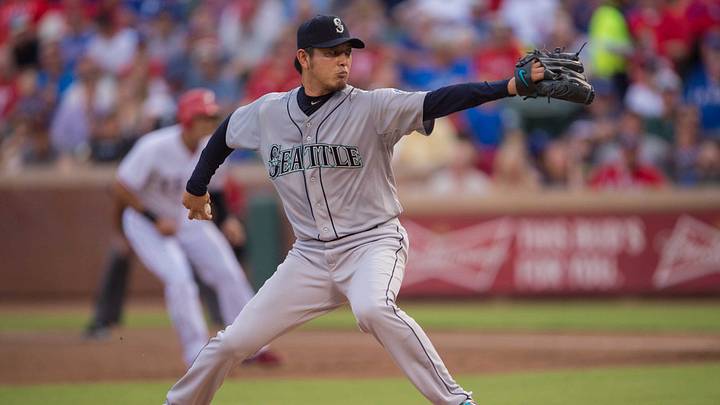
Iwakuma had a strong start to his big league career, peaking in 2013 with a 2.66 ERA and 3.44 FIP over 219.2 innings, placing him third in AL Cy Young voting that year. In 2015, after a season that saw him become the second Japanese pitcher to throw a no-hitter, Seattle extended him a $15.8 million qualifying offer that he turned down.
It was later reported that this was because he had negotiated a three-year, $45 million contract to pitch for the Dodgers. Unfortunately, a failed physical nixed the deal at the last minute and Iwakuma returned to the Mariners, signing a one-year deal with vesting options.
2013: Robinson Canó — Rejected QO from NYY, signed with SEA
By the end of the 2013 season, Canó had already accumulated 44.4 rWAR and established himself as one of the best second basemen of his era. Not only did the Yankees give him the $14.1 million qualifying offer, they also offered him a seven-year, $175 million contract, a deal that would've given him one of the highest AAVs at the time.
Fortunately for Canó, the Mariners somehow outbid New York, coming in with a 10-year, $240 million contract. It was big news at the time as they had just recently signed Félix Hernández to a seven-year, $175 million deal and it seemed like Seattle was finally starting to shed their underdog roots for a new high-roller identity.
To his credit, Canó was solid in the four and a half seasons he was a Mariner but a PED suspension in 2018 would cut his season short and give the front office even more of an incentive to cut bait on a pricey contract that had still failed to end the franchise's playoff drought. He was sent to the Mets where he'd receive another PED suspension, this one for 162 games.
2014: Nelson Cruz — Rejected QO from BAL, signed with SEA
Cruz had already accumulated a few solid seasons by the time he hit free agency for the first time. After a season where he hit an MLB-leading 40 home runs for the Orioles in 2014, they were willing to pay him $15.3 million to keep him around but he decided to test the open waters, ending up with a four-year, $57 million contract with the Mariners.
He's one of the few players in franchise history who played out the entirety of his contract and largely lived up to the hype. Across four seasons in Seattle, he posted a 148 OPS+ and accumulated 17.0 rWAR, the most of any of the eight franchises he played for in this major league career. After deciding to hang up the cleats, he made the decision to do so as a Mariner, signing a symbolic one-day contract.
Welcome back, Nellie 💙@ncboomstick23 put pen to paper to sign a one-day contract and retire as a Mariner. pic.twitter.com/OzIOxp4Q16
— Seattle Mariners (@Mariners) March 29, 2024
2021: Robbie Ray — Rejected QO from TOR, signed with SEA
This was a good year for Robbie Ray. He led the American League in rWAR (6.9), ERA (2.84), innings pitched (193.1), strikeouts (248), WHIP (1.05), and won the Cy Young Award. It was just the second season of his career posting an rWAR above 2.0 but there's no better time than right before free agency for a breakout.
Ray decided to forego the $18.4 million qualifying offer from the Blue Jays in favor of a five-year, $115 million deal with the Mariners. In retrospect, this contract seemed like a major regret for the organization. His 2022 campaign in Seattle was satisfactory and he pitched just 3.1 innings in 2023 before missing the remainder of the season with injury, prompting the Mariners to ship him off to the Giants. Unfortunately, his most memorable moment for Seattle is likely one that fans would opt to forget.
Yordan rules. #Postseason pic.twitter.com/yaQAKx8bFw
— MLB (@MLB) October 11, 2022
 Add us as a preferred source on Google