%20%20--%3E%0A%3Csvg%20version%3D%221.1%22%20xmlns%3D%22http%3A%2F%2Fwww.w3.org%2F2000%2Fsvg%22%20xmlns%3Axlink%3D%22http%3A%2F%2Fwww.w3.org%2F1999%2Fxlink%22%20x%3D%220px%22%20y%3D%220px%22%0A%09%20viewBox%3D%220%200%20827.4%20200%22%20style%3D%22enable-background%3Anew%200%200%20827.4%20200%3B%22%20xml%3Aspace%3D%22preserve%22%3E%0A%3Cstyle%20type%3D%22text%2Fcss%22%3E%0A%09.st0%7Bfill%3A%23231F20%3B%7D%0A%09.st1%7Bfill%3A%230C2C56%3B%7D%0A%09.st2%7Bfill%3A%234D4D4D%3B%7D%0A%09.st3%7Bfill%3A%23FFFFFF%3B%7D%0A%09.st4%7Bfill%3A%230F9AA3%3B%7D%0A%09.st5%7Bfill%3A%23001C43%3B%7D%0A%3C%2Fstyle%3E%0A%3Cg%20id%3D%22Template%22%3E%0A%3C%2Fg%3E%0A%3Cg%20id%3D%22Layer_2%22%3E%0A%09%3Cpath%20class%3D%22st3%22%20d%3D%22M70.4%2C94.8C63.3%2C90%2C55%2C87%2C45.3%2C85.7c-7.7-1-11.8-3.1-13.1-4.7c-0.6-0.7-1.6-1.9%2C0.3-5.3%0A%09%09c1.9-3.2%2C7.7-3.9%2C12.2-3.9c5.1%2C0%2C8.9%2C1.2%2C12.6%2C3.8c4.3%2C3.1%2C9.5%2C2.9%2C13-0.7l5.1-5.1c2.1-2.1%2C3.2-4.9%2C3.1-7.7%0A%09%09c-0.1-2.8-1.4-5.3-3.7-7.2c-3.6-2.8-6.9-4.8-10.6-6.4c-5.9-2.5-13.8-3.7-23.5-3.7c-9.1%2C0-17.9%2C3-26.2%2C8.9%0A%09%09c-8.7%2C6.3-13.2%2C14.7-13.2%2C25c0%2C11.6%2C4.1%2C19.8%2C12.1%2C24.7c7.2%2C4.3%2C15.3%2C7%2C24%2C8c9.6%2C0.9%2C12.9%2C3.3%2C14%2C5.2c1.5%2C2.6%2C1.5%2C4.9%2C0%2C7.5%0A%09%09c-1.6%2C2.7-6.5%2C4.1-13.3%2C3.8c-6.9-0.3-12.3-2-16.9-5.3c-4.3-3.1-9.5-2.8-12.9%2C0.7l-5.2%2C5.1c-2.2%2C2.2-3.3%2C5-3.1%2C7.9%0A%09%09c0.2%2C2.8%2C1.6%2C5.4%2C4%2C7.2c3.7%2C2.9%2C7.4%2C5%2C12%2C7c6.8%2C2.9%2C15.3%2C4.4%2C25.4%2C4.4c10.8%2C0%2C20.4-3.3%2C28.6-9.8c8.5-6.6%2C12.8-14.7%2C12.8-24.1%0A%09%09C82.7%2C109.1%2C78.5%2C100.3%2C70.4%2C94.8z%22%2F%3E%0A%09%3Cpath%20class%3D%22st3%22%20d%3D%22M142.6%2C44.8c-15.6%2C0-28.8%2C5.3-39.2%2C15.8C92.9%2C71.1%2C87.6%2C84.3%2C87.6%2C99.9c0%2C15.5%2C5.3%2C28.7%2C15.8%2C39.2%0A%09%09c10.5%2C10.5%2C23.7%2C15.8%2C39.2%2C15.8s28.8-5.3%2C39.2-15.8c10.5-10.5%2C15.8-23.7%2C15.8-39.2c0-15.6-5.3-28.8-15.8-39.2%0A%09%09C171.4%2C50.1%2C158.2%2C44.8%2C142.6%2C44.8z%20M161.9%2C120c-5%2C5.3-11.2%2C7.9-19.2%2C7.9c-8%2C0-14.3-2.6-19.3-7.9c-5-5.4-7.4-12-7.4-20.1%0A%09%09c0-8.1%2C2.4-14.7%2C7.4-20.1c5-5.3%2C11.2-7.9%2C19.2-7.9c8%2C0%2C14.3%2C2.6%2C19.3%2C7.9c5%2C5.4%2C7.4%2C12%2C7.4%2C20.1C169.2%2C108%2C166.8%2C114.6%2C161.9%2C120z%22%0A%09%09%2F%3E%0A%09%3Cpath%20class%3D%22st3%22%20d%3D%22M248.3%2C44.8H215c-5.7%2C0-10%2C4.3-10%2C10v90.2c0%2C5.7%2C4.3%2C10%2C10%2C10h33.3c33.8%2C0%2C51.6-19%2C51.6-55%0A%09%09C299.9%2C63.8%2C282.1%2C44.8%2C248.3%2C44.8z%20M248.3%2C126.5h-14.9V73.3h14.9c15.9%2C0%2C23.2%2C8.5%2C23.2%2C26.6C271.5%2C118.1%2C264.1%2C126.5%2C248.3%2C126.5z%0A%09%09%22%2F%3E%0A%09%3Cpath%20class%3D%22st3%22%20d%3D%22M362.3%2C44.8c-15.6%2C0-28.8%2C5.3-39.2%2C15.8c-10.5%2C10.5-15.8%2C23.7-15.8%2C39.2c0%2C15.5%2C5.3%2C28.7%2C15.8%2C39.2%0A%09%09c10.5%2C10.5%2C23.7%2C15.8%2C39.2%2C15.8c15.6%2C0%2C28.8-5.3%2C39.2-15.8c10.5-10.5%2C15.8-23.7%2C15.8-39.2c0-15.6-5.3-28.8-15.8-39.2%0A%09%09C391.1%2C50.1%2C377.9%2C44.8%2C362.3%2C44.8z%20M381.5%2C120c-5%2C5.3-11.2%2C7.9-19.2%2C7.9c-8%2C0-14.3-2.6-19.3-7.9c-5-5.4-7.4-12-7.4-20.1%0A%09%09c0-8.1%2C2.4-14.7%2C7.4-20.1c5-5.3%2C11.2-7.9%2C19.2-7.9c8%2C0%2C14.3%2C2.6%2C19.3%2C7.9c5%2C5.4%2C7.4%2C12%2C7.4%2C20.1C388.9%2C108%2C386.5%2C114.6%2C381.5%2C120z%22%0A%09%09%2F%3E%0A%09%3Cpath%20class%3D%22st4%22%20d%3D%22M548.3%2C44.8c-2.6%2C0-4.9%2C1.1-6.7%2C3l-39.8%2C45.3L462%2C47.8c-1.7-1.9-4.1-3-6.7-3h-1.3c-4.2%2C0-7.3%2C4.2-7.3%2C10v90.1%0A%09%09c0%2C5.7%2C4.3%2C10%2C10%2C10h8.5c5.7%2C0%2C10-4.3%2C10-10v-42.8l19%2C21.2c2%2C2.2%2C4.7%2C3.5%2C7.6%2C3.5s5.6-1.2%2C7.6-3.5l19-21.2l0.1%2C42.9%0A%09%09c0%2C5.7%2C4.3%2C10%2C10%2C10h8.5c5.7%2C0%2C10-4.3%2C10-10V54.8C556.9%2C49.1%2C553.2%2C44.8%2C548.3%2C44.8z%22%2F%3E%0A%09%3Cpath%20class%3D%22st4%22%20d%3D%22M674.4%2C99.8c0-15.6-5.3-28.8-15.8-39.2c-10.5-10.5-23.7-15.8-39.2-15.8c-15.6%2C0-28.8%2C5.3-39.2%2C15.8%0A%09%09c-10.5%2C10.5-15.8%2C23.7-15.8%2C39.2c0%2C15.5%2C5.3%2C28.7%2C15.8%2C39.2c10.5%2C10.5%2C23.7%2C15.8%2C39.2%2C15.8c15.6%2C0%2C28.8-5.3%2C39.2-15.8%0A%09%09C669.1%2C128.6%2C674.4%2C115.4%2C674.4%2C99.8z%20M638.6%2C119.9c-5%2C5.3-11.2%2C7.9-19.2%2C7.9c-8%2C0-14.3-2.6-19.3-7.9c-5-5.4-7.4-12-7.4-20.1%0A%09%09c0-8.1%2C2.4-14.7%2C7.4-20.1c5-5.3%2C11.2-7.9%2C19.2-7.9c8%2C0%2C14.3%2C2.6%2C19.3%2C7.9c5%2C5.4%2C7.4%2C12%2C7.4%2C20.1C645.9%2C108%2C643.5%2C114.5%2C638.6%2C119.9%0A%09%09z%22%2F%3E%0A%09%3Cpath%20class%3D%22st4%22%20d%3D%22M811.6%2C60.6c-10.5-10.5-23.7-15.8-39.2-15.8c-15.6%2C0-28.8%2C5.3-39.2%2C15.8c-10.5%2C10.5-15.8%2C23.7-15.8%2C39.2%0A%09%09c0%2C15.5%2C5.3%2C28.7%2C15.8%2C39.2c10.5%2C10.5%2C23.7%2C15.8%2C39.2%2C15.8c15.6%2C0%2C28.8-5.3%2C39.2-15.8c10.5-10.5%2C15.8-23.7%2C15.8-39.2%0A%09%09C827.4%2C84.3%2C822.1%2C71.1%2C811.6%2C60.6z%20M791.6%2C119.9c-5%2C5.3-11.2%2C7.9-19.2%2C7.9c-8%2C0-14.3-2.6-19.3-7.9c-5-5.4-7.4-12-7.4-20.1%0A%09%09c0-8.1%2C2.4-14.7%2C7.4-20.1c5-5.3%2C11.2-7.9%2C19.2-7.9c8%2C0%2C14.3%2C2.6%2C19.3%2C7.9c5%2C5.4%2C7.4%2C12%2C7.4%2C20.1C799%2C108%2C796.5%2C114.5%2C791.6%2C119.9z%22%0A%09%09%2F%3E%0A%09%3Cpath%20class%3D%22st4%22%20d%3D%22M700%2C44.8h-8.3c-5.7%2C0-10%2C4.3-10%2C10l0.1%2C87.6v9.4c0%2C7.5-2.9%2C10.8-9.7%2C11l-0.8%2C0v-4.5c0-1.3-0.7-2.6-1.7-3.1%0A%09%09c-0.3-0.2-0.7-0.3-1.1-0.3c-0.7%2C0-1.4%2C0.3-1.9%2C0.9l-16.2%2C19c-0.5%2C0.6-0.8%2C1.5-0.8%2C2.4s0.3%2C1.8%2C0.8%2C2.4l16.2%2C19%0A%09%09c0.5%2C0.6%2C1.2%2C0.9%2C1.9%2C0.9c0.4%2C0%2C0.7-0.1%2C1.1-0.3c1-0.5%2C1.7-1.7%2C1.7-3.1v-6.6h7.9c8.9%2C0%2C16.4-2.9%2C22.2-8.7l0%2C0%0A%09%09c5.7-5.7%2C8.6-13.3%2C8.6-22.5l0-16.2V54.8C710%2C49.1%2C705.7%2C44.8%2C700%2C44.8z%22%2F%3E%0A%3C%2Fg%3E%0A%3C%2Fsvg%3E%0A)

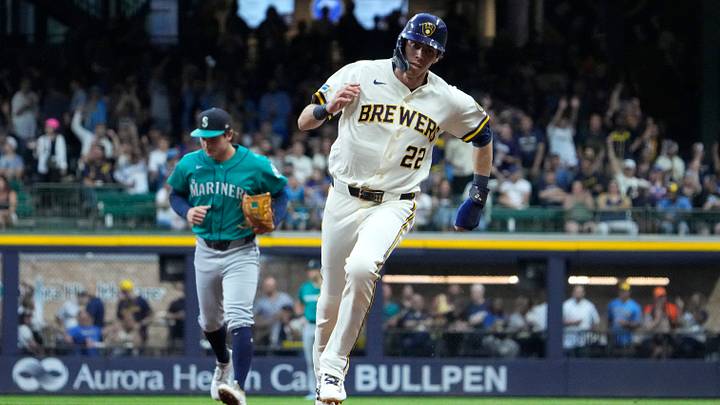
Remember when the Seattle Mariners went to Milwaukee in August and got thoroughly bludgeoned by the Brewers, including with a 22-0 loss in the opener? Suddenly that doesn't feel so bad. If you're going to get schooled, get schooled by the eventual World Series champs.
And in this case, there is a lot the Mariners can learn from the Brewers.
It's long been said that MLB is a copy-cat league, and there are lots that teams can and should copy the Brewers. They do a little bit of everything on offense. They play great defense. Their pitching pipeline is more like a stuff factory, as the team's average fastball during the playoffs was 98.5 frickin' miles per hour.
With the Mariners, we need to be realistic about what can and can't be done. Though they have a stuff problem in their pitching pipeline, the majors is another story. And while the Mariners and Brewers are on opposite sides of the defensive spectrum, that's largely a personnel thing. It's hard to see anyone snapping their fingers and making better defense happen in Seattle. That'll be up to Jerry Dipoto and whatever moves he makes this winter.
So, let's get down to brass tacks: How can the Mariners emulate the Brewers?
The Mariners need to grind and deal like the Brewers if they want to follow their path to the World Series
1. Make pitchers work for outs
If you didn't hear about it beforehand, you definitely heard about it during the postseason: Brewers hitters were really patient this year.
They swung at 43.8 percent of the pitches they saw during the regular season, easily the lowest rate in the league. That alone is playing the odds, given that only 47.5 percent of all pitches found the strike zone. And Milwaukee hitters were the best at not expanding the zone, with a 26.6 chase percentage.
The benefits of this are about what you would think. The Brewers co-led the league in walk percentage and were ahead in the count 27.7 percent of the time, the third-best mark in the league. The league's splits make it clear why that matters:
- Ahead in Count: .424 wOBA
- Behind in Count: .223 wOBA
This, we think, is why the Mariners need to try and poach co-hitting coach Daniel Vogelbach from the Mariners. Those things the Brewers were good at? The Mariners were bad at them, specifically in the sense that they had the league's seventh-highest chase rate despite also having the league's fourth-lowest zone rate. They didn't walk or get ahead in the count as often as Brewers hitters.
If anything, the reality of T-Mobile Park suggests that the Mariners should be chasing patient at-bats more than any team in the league. It is the worst park in baseball for stringing hits together. In theory, more walks is one way around that.
2. Do what you must to take extra bases
The Brewers broke all the rules for scoring runs this year. They were second from the bottom of MLB in home runs. And yet, they scored the second-most runs. It's not supposed to work that way.
It helped that they just plain put a lot of runners on base, trailing only the Chicago Cubs in that respect. Yet they also did what they could to advance guys 90 feet, including stealing 162 bases (5th in MLB) and making 186 productive outs (2nd in MLB). It's not the reason, but it's certainly a reason they led the league in plate appearances with runners in scoring position.
The Mariners were solid at stealing bases (116), but not that good this year. And they basically didn't do productive outs, placing seventh from the bottom of MLB in that category with only 140. They ultimately took 1,458 plate appearances with runners in scoring position, the fourth-fewest in MLB.
Granted, this is where "Be more like the Brewers" advice gets a little tricky. Power is expensive and they're not rich, so they have to work with what they can get. For example, it's no surprise that the light-hitting David Hamilton led them in sacrifice bunts with 13.
Yet even if the Mariners do figure to hit for more power in 2027, that shouldn't doom them to a station-to-station style of offense. With the bottom of the lineup, in particular, it would be nice to see some more selflessness that creates more frequent opportunities for the big bats.
3. Embrace roster churn
Can the Mariners carry a higher payroll? Probably. Actually, make that definitely. Their Opening Day payroll from this year ($161.8 million) was on the same level as their Opening Day payroll from 2018 ($157.9 million), but the latter payroll is more like $210 million in 2026 dollars.
However, John Stanton isn't going to budge. Though that 2018 payroll ranked 11th in MLB, he has come right out and said that the team is "well situated with a good young team and a middle of the road, roughly, payroll." As such, the team's ranking for this year (16th) should be considered the status quo.
If this must be the case, then the Mariners can learn something from both the Brewers and the Tampa Bay Rays: roster churn can be a good thing.
The Brewers are constantly mixing and matching, even if it means making unpopular trades like the ones that sent Josh Hader, Corbin Burnes, Devin Williams and Freddy Peralta out of town. Ultimately, the trade tree speaks for itself. Out of those deals came Joey Ortiz, DL Hall and Robert Gasser, who played key roles this year. They also got one good season of Caleb Durbin out of the Williams trade, before flipping him for Kyle Harrison and David Hamilton. They, too, played key roles.
Jerry Dipoto has proved with the trades of Robinson Canó, Robbie Ray and Luis Castillo that he's quite good at getting out of problem contracts. Trading established major leaguers while their value is at or near their max, though, isn't really his thing. It's past time to question that approach, and whether it should change.
The starting rotation is as good as any place to start. There were rumors in past years about interest in George Kirby and Bryce Miller, both of whom have since seen their value diminish. There are no do-overs there, but a trade of Logan Gilbert or Emerson Hancock this offseason could make up for it. Either could potentially fetch a bat that the Mariners need.
Indeed, this approach is a hard sell for any franchise, much less any fanbase. But there is a general understanding among front-office types that hard decisions of this sort are necessary for small-budget teams to survive. To wit, the Cincinnati Reds front office is reportedly well aware that the team should operate more like the Brewers, but just can't convince ownership to do it.
Now, nobody's saying the Mariners are as thick as the Reds in this respect. But if it's a matter of whether it's better to be like them or the Brewers, there's only one right choice.
 Add us as a preferred source on Google