%20%20--%3E%0A%3Csvg%20version%3D%221.1%22%20xmlns%3D%22http%3A%2F%2Fwww.w3.org%2F2000%2Fsvg%22%20xmlns%3Axlink%3D%22http%3A%2F%2Fwww.w3.org%2F1999%2Fxlink%22%20x%3D%220px%22%20y%3D%220px%22%0A%09%20viewBox%3D%220%200%20827.4%20200%22%20style%3D%22enable-background%3Anew%200%200%20827.4%20200%3B%22%20xml%3Aspace%3D%22preserve%22%3E%0A%3Cstyle%20type%3D%22text%2Fcss%22%3E%0A%09.st0%7Bfill%3A%23231F20%3B%7D%0A%09.st1%7Bfill%3A%230C2C56%3B%7D%0A%09.st2%7Bfill%3A%234D4D4D%3B%7D%0A%09.st3%7Bfill%3A%23FFFFFF%3B%7D%0A%09.st4%7Bfill%3A%230F9AA3%3B%7D%0A%09.st5%7Bfill%3A%23001C43%3B%7D%0A%3C%2Fstyle%3E%0A%3Cg%20id%3D%22Template%22%3E%0A%3C%2Fg%3E%0A%3Cg%20id%3D%22Layer_2%22%3E%0A%09%3Cpath%20class%3D%22st3%22%20d%3D%22M70.4%2C94.8C63.3%2C90%2C55%2C87%2C45.3%2C85.7c-7.7-1-11.8-3.1-13.1-4.7c-0.6-0.7-1.6-1.9%2C0.3-5.3%0A%09%09c1.9-3.2%2C7.7-3.9%2C12.2-3.9c5.1%2C0%2C8.9%2C1.2%2C12.6%2C3.8c4.3%2C3.1%2C9.5%2C2.9%2C13-0.7l5.1-5.1c2.1-2.1%2C3.2-4.9%2C3.1-7.7%0A%09%09c-0.1-2.8-1.4-5.3-3.7-7.2c-3.6-2.8-6.9-4.8-10.6-6.4c-5.9-2.5-13.8-3.7-23.5-3.7c-9.1%2C0-17.9%2C3-26.2%2C8.9%0A%09%09c-8.7%2C6.3-13.2%2C14.7-13.2%2C25c0%2C11.6%2C4.1%2C19.8%2C12.1%2C24.7c7.2%2C4.3%2C15.3%2C7%2C24%2C8c9.6%2C0.9%2C12.9%2C3.3%2C14%2C5.2c1.5%2C2.6%2C1.5%2C4.9%2C0%2C7.5%0A%09%09c-1.6%2C2.7-6.5%2C4.1-13.3%2C3.8c-6.9-0.3-12.3-2-16.9-5.3c-4.3-3.1-9.5-2.8-12.9%2C0.7l-5.2%2C5.1c-2.2%2C2.2-3.3%2C5-3.1%2C7.9%0A%09%09c0.2%2C2.8%2C1.6%2C5.4%2C4%2C7.2c3.7%2C2.9%2C7.4%2C5%2C12%2C7c6.8%2C2.9%2C15.3%2C4.4%2C25.4%2C4.4c10.8%2C0%2C20.4-3.3%2C28.6-9.8c8.5-6.6%2C12.8-14.7%2C12.8-24.1%0A%09%09C82.7%2C109.1%2C78.5%2C100.3%2C70.4%2C94.8z%22%2F%3E%0A%09%3Cpath%20class%3D%22st3%22%20d%3D%22M142.6%2C44.8c-15.6%2C0-28.8%2C5.3-39.2%2C15.8C92.9%2C71.1%2C87.6%2C84.3%2C87.6%2C99.9c0%2C15.5%2C5.3%2C28.7%2C15.8%2C39.2%0A%09%09c10.5%2C10.5%2C23.7%2C15.8%2C39.2%2C15.8s28.8-5.3%2C39.2-15.8c10.5-10.5%2C15.8-23.7%2C15.8-39.2c0-15.6-5.3-28.8-15.8-39.2%0A%09%09C171.4%2C50.1%2C158.2%2C44.8%2C142.6%2C44.8z%20M161.9%2C120c-5%2C5.3-11.2%2C7.9-19.2%2C7.9c-8%2C0-14.3-2.6-19.3-7.9c-5-5.4-7.4-12-7.4-20.1%0A%09%09c0-8.1%2C2.4-14.7%2C7.4-20.1c5-5.3%2C11.2-7.9%2C19.2-7.9c8%2C0%2C14.3%2C2.6%2C19.3%2C7.9c5%2C5.4%2C7.4%2C12%2C7.4%2C20.1C169.2%2C108%2C166.8%2C114.6%2C161.9%2C120z%22%0A%09%09%2F%3E%0A%09%3Cpath%20class%3D%22st3%22%20d%3D%22M248.3%2C44.8H215c-5.7%2C0-10%2C4.3-10%2C10v90.2c0%2C5.7%2C4.3%2C10%2C10%2C10h33.3c33.8%2C0%2C51.6-19%2C51.6-55%0A%09%09C299.9%2C63.8%2C282.1%2C44.8%2C248.3%2C44.8z%20M248.3%2C126.5h-14.9V73.3h14.9c15.9%2C0%2C23.2%2C8.5%2C23.2%2C26.6C271.5%2C118.1%2C264.1%2C126.5%2C248.3%2C126.5z%0A%09%09%22%2F%3E%0A%09%3Cpath%20class%3D%22st3%22%20d%3D%22M362.3%2C44.8c-15.6%2C0-28.8%2C5.3-39.2%2C15.8c-10.5%2C10.5-15.8%2C23.7-15.8%2C39.2c0%2C15.5%2C5.3%2C28.7%2C15.8%2C39.2%0A%09%09c10.5%2C10.5%2C23.7%2C15.8%2C39.2%2C15.8c15.6%2C0%2C28.8-5.3%2C39.2-15.8c10.5-10.5%2C15.8-23.7%2C15.8-39.2c0-15.6-5.3-28.8-15.8-39.2%0A%09%09C391.1%2C50.1%2C377.9%2C44.8%2C362.3%2C44.8z%20M381.5%2C120c-5%2C5.3-11.2%2C7.9-19.2%2C7.9c-8%2C0-14.3-2.6-19.3-7.9c-5-5.4-7.4-12-7.4-20.1%0A%09%09c0-8.1%2C2.4-14.7%2C7.4-20.1c5-5.3%2C11.2-7.9%2C19.2-7.9c8%2C0%2C14.3%2C2.6%2C19.3%2C7.9c5%2C5.4%2C7.4%2C12%2C7.4%2C20.1C388.9%2C108%2C386.5%2C114.6%2C381.5%2C120z%22%0A%09%09%2F%3E%0A%09%3Cpath%20class%3D%22st4%22%20d%3D%22M548.3%2C44.8c-2.6%2C0-4.9%2C1.1-6.7%2C3l-39.8%2C45.3L462%2C47.8c-1.7-1.9-4.1-3-6.7-3h-1.3c-4.2%2C0-7.3%2C4.2-7.3%2C10v90.1%0A%09%09c0%2C5.7%2C4.3%2C10%2C10%2C10h8.5c5.7%2C0%2C10-4.3%2C10-10v-42.8l19%2C21.2c2%2C2.2%2C4.7%2C3.5%2C7.6%2C3.5s5.6-1.2%2C7.6-3.5l19-21.2l0.1%2C42.9%0A%09%09c0%2C5.7%2C4.3%2C10%2C10%2C10h8.5c5.7%2C0%2C10-4.3%2C10-10V54.8C556.9%2C49.1%2C553.2%2C44.8%2C548.3%2C44.8z%22%2F%3E%0A%09%3Cpath%20class%3D%22st4%22%20d%3D%22M674.4%2C99.8c0-15.6-5.3-28.8-15.8-39.2c-10.5-10.5-23.7-15.8-39.2-15.8c-15.6%2C0-28.8%2C5.3-39.2%2C15.8%0A%09%09c-10.5%2C10.5-15.8%2C23.7-15.8%2C39.2c0%2C15.5%2C5.3%2C28.7%2C15.8%2C39.2c10.5%2C10.5%2C23.7%2C15.8%2C39.2%2C15.8c15.6%2C0%2C28.8-5.3%2C39.2-15.8%0A%09%09C669.1%2C128.6%2C674.4%2C115.4%2C674.4%2C99.8z%20M638.6%2C119.9c-5%2C5.3-11.2%2C7.9-19.2%2C7.9c-8%2C0-14.3-2.6-19.3-7.9c-5-5.4-7.4-12-7.4-20.1%0A%09%09c0-8.1%2C2.4-14.7%2C7.4-20.1c5-5.3%2C11.2-7.9%2C19.2-7.9c8%2C0%2C14.3%2C2.6%2C19.3%2C7.9c5%2C5.4%2C7.4%2C12%2C7.4%2C20.1C645.9%2C108%2C643.5%2C114.5%2C638.6%2C119.9%0A%09%09z%22%2F%3E%0A%09%3Cpath%20class%3D%22st4%22%20d%3D%22M811.6%2C60.6c-10.5-10.5-23.7-15.8-39.2-15.8c-15.6%2C0-28.8%2C5.3-39.2%2C15.8c-10.5%2C10.5-15.8%2C23.7-15.8%2C39.2%0A%09%09c0%2C15.5%2C5.3%2C28.7%2C15.8%2C39.2c10.5%2C10.5%2C23.7%2C15.8%2C39.2%2C15.8c15.6%2C0%2C28.8-5.3%2C39.2-15.8c10.5-10.5%2C15.8-23.7%2C15.8-39.2%0A%09%09C827.4%2C84.3%2C822.1%2C71.1%2C811.6%2C60.6z%20M791.6%2C119.9c-5%2C5.3-11.2%2C7.9-19.2%2C7.9c-8%2C0-14.3-2.6-19.3-7.9c-5-5.4-7.4-12-7.4-20.1%0A%09%09c0-8.1%2C2.4-14.7%2C7.4-20.1c5-5.3%2C11.2-7.9%2C19.2-7.9c8%2C0%2C14.3%2C2.6%2C19.3%2C7.9c5%2C5.4%2C7.4%2C12%2C7.4%2C20.1C799%2C108%2C796.5%2C114.5%2C791.6%2C119.9z%22%0A%09%09%2F%3E%0A%09%3Cpath%20class%3D%22st4%22%20d%3D%22M700%2C44.8h-8.3c-5.7%2C0-10%2C4.3-10%2C10l0.1%2C87.6v9.4c0%2C7.5-2.9%2C10.8-9.7%2C11l-0.8%2C0v-4.5c0-1.3-0.7-2.6-1.7-3.1%0A%09%09c-0.3-0.2-0.7-0.3-1.1-0.3c-0.7%2C0-1.4%2C0.3-1.9%2C0.9l-16.2%2C19c-0.5%2C0.6-0.8%2C1.5-0.8%2C2.4s0.3%2C1.8%2C0.8%2C2.4l16.2%2C19%0A%09%09c0.5%2C0.6%2C1.2%2C0.9%2C1.9%2C0.9c0.4%2C0%2C0.7-0.1%2C1.1-0.3c1-0.5%2C1.7-1.7%2C1.7-3.1v-6.6h7.9c8.9%2C0%2C16.4-2.9%2C22.2-8.7l0%2C0%0A%09%09c5.7-5.7%2C8.6-13.3%2C8.6-22.5l0-16.2V54.8C710%2C49.1%2C705.7%2C44.8%2C700%2C44.8z%22%2F%3E%0A%3C%2Fg%3E%0A%3C%2Fsvg%3E%0A)


With a rebuild set in motion with eyes on 2020 or 2021, Jerry Dipoto and the Mariners organization have all but forfeited the 2019 season. Though necessary, it’s a tough pill to swallow coming off an 88-win year, in which Seattle controlled a playoff spot for the majority of their campaign.
The MLB offseason is still in its waking moments, but Dipoto and co. have been extremely busy, executing two massive trades that saw the departures of key pieces in James Paxton and Mike Zunino. Still, there are roughly four months between now and Spring Training, and Seattle’s front office won’t be taking their foot off the gas pedal any time soon. While we know that they view 2019 as a “step-back year,” indicating that they’ll be a mediocre-to-bad team next season, it’s impossible to predict exactly where they fit in the grand scheme of things.
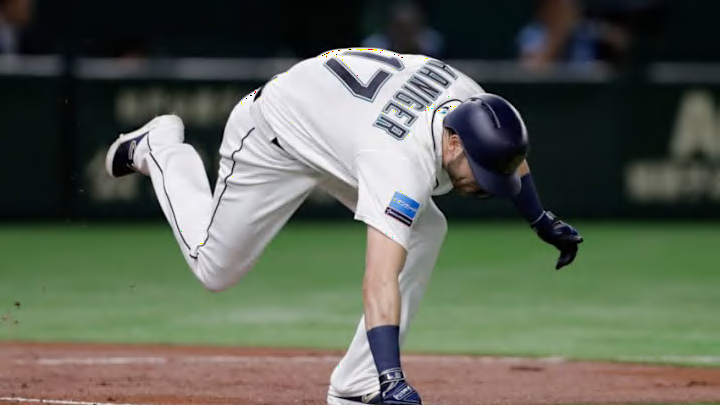
As of now, I’m not totally convinced the Mariners are that much worse than they were at the end of the 2018 season. Sure, losing Paxton sucks, but one dominant pitcher can only elevate an otherwise mediocre rotation such as Seattle’s so much. Paxton made their rotation better, but by how much, truly? As for Zunino, Seattle lost perhaps the best defensive catcher in baseball, but also parted ways with one of their more inconsistent, and often incompetent, hitters.
They also got a pretty nice Major League piece for Zunino in outfielder Mallex Smith, who fills one of Seattle’s weakest positions from 2018 out in center. Smith also comes on the league minimum at a position too expensive for the Mariners to fill in the free agent market. Riding off the wave of a fantastic 2018 campaign offensively, Smith is certainly the most valuable player in that deal, though there are some concerns about how he’ll fare outside of Tropicana Field.
Either way, I don’t really see how either of these trades could knock Seattle’s stock down significantly. The difference really comes into play when looking at the departures of Denard Span and Nelson Cruz. That’s a lot of elite offensive production exiting the Pacific Northwest, especially from Cruz, but the Mariners may also greatly benefit from the added flexibility of moving on without a traditional designated hitter. Of course, that’s not to say losing Cruz’s All-Star level production is a good thing, especially in the interim, but having such a restriction lifted off of them when it comes to the construction of their roster should help the creative minds in the Dipoto regime in the future.
More from SoDo Mojo
- 2023 Steamer Projections: Teoscar Hernandez could see a drop in Seattle
- Could the Mariners Acquire AL Batting Champion, Luis Arraez?
- Steamer Projections: Julio Rodriguez to enter rarified air in 2023
- What if the Mariners traded FOR Tyler O’Neill this time?
- Mariners starting pitching is being overlooked by MLB
Every team looks to field a relatively competitive ballclub each and every year, but the way in which they do it always differs depending on culture and motive. The Mariners have a culture that champions a balance of present and future value, and they have an end goal of competing for a World Series by 2021. Whether they meet that goal or not is an entirely different conversation for another time, but at least they have a plan, which is more than some fanbases can say about their respective teams.
So what does that mean for the impending season? Again, it’s hard to really gauge where they fit in the bigger picture of the American League. There may be a few more major trades on the horizon, particularly surrounding Jean Segura and Edwin Díaz, but there’s still enough talent on this roster that keeps me from thinking they’re anything less or more than a middle-of-the-road club, once again. Look for the Mariners to try and find value on the free agent market, specifically in one-year deals. Hitting on one or two of those types, especially in the starting pitching market, could significantly help Seattle add more future pieces for their rebuild come July.
If Seattle were to make any big splash in free agency, I’d expect it to be Yusei Kikuchi and Kikuchi alone. The 27-year-old Japanese southpaw perfectly lines up with the Mariners’ timeline, and could help pick up some of the slack left by the departed Paxton. Though a potential acquisition of Kikuchi would help Seattle in 2019, it would be made solely for the future impact he could have as the M’s rapidly approach their window. There should be a highly competitive market for Kikuchi, but I can definitely envision Seattle aggressively pursuing him in December.
Additionally, this is a big season in terms of the top half of the oft-ridiculed Mariners farm system. Kyle Lewis, Evan White, and Braden Bishop may all make their MLB debuts in 2019, perhaps even all at once in September. For the Mariners to fit through the tiny window they’ve given themselves, they need at least one of these players to meet – or ascend – expectations. It’s been quite a while since the M’s last had a large crop of exciting, young talent nearing their debuts, so it’s an exciting time for Seattle’s fanbase at the very least.
December should give us a clearer overview of where the Mariners stand and help us manage our expectations for the 2019 season a bit more accurately. Depending on how much of the roster they subtract from this offseason, and what the rest of the American League does, I could see them stumbling into the Wild Card conversation again this season. But that’s not what this year is about. It’s about the Mariners finding out what they have, and overall finding out who they are.